

The dining scene in Mexico City showcases cuisines from around the world, brought from people who have made the city their home over the decades.
Nicholas Gilman explains how these restaurants live alongside the traditional Mexican restaurants you expect to find here, so we’re sharing his guest post with you.
Find more of his work at goodfoodmexico.
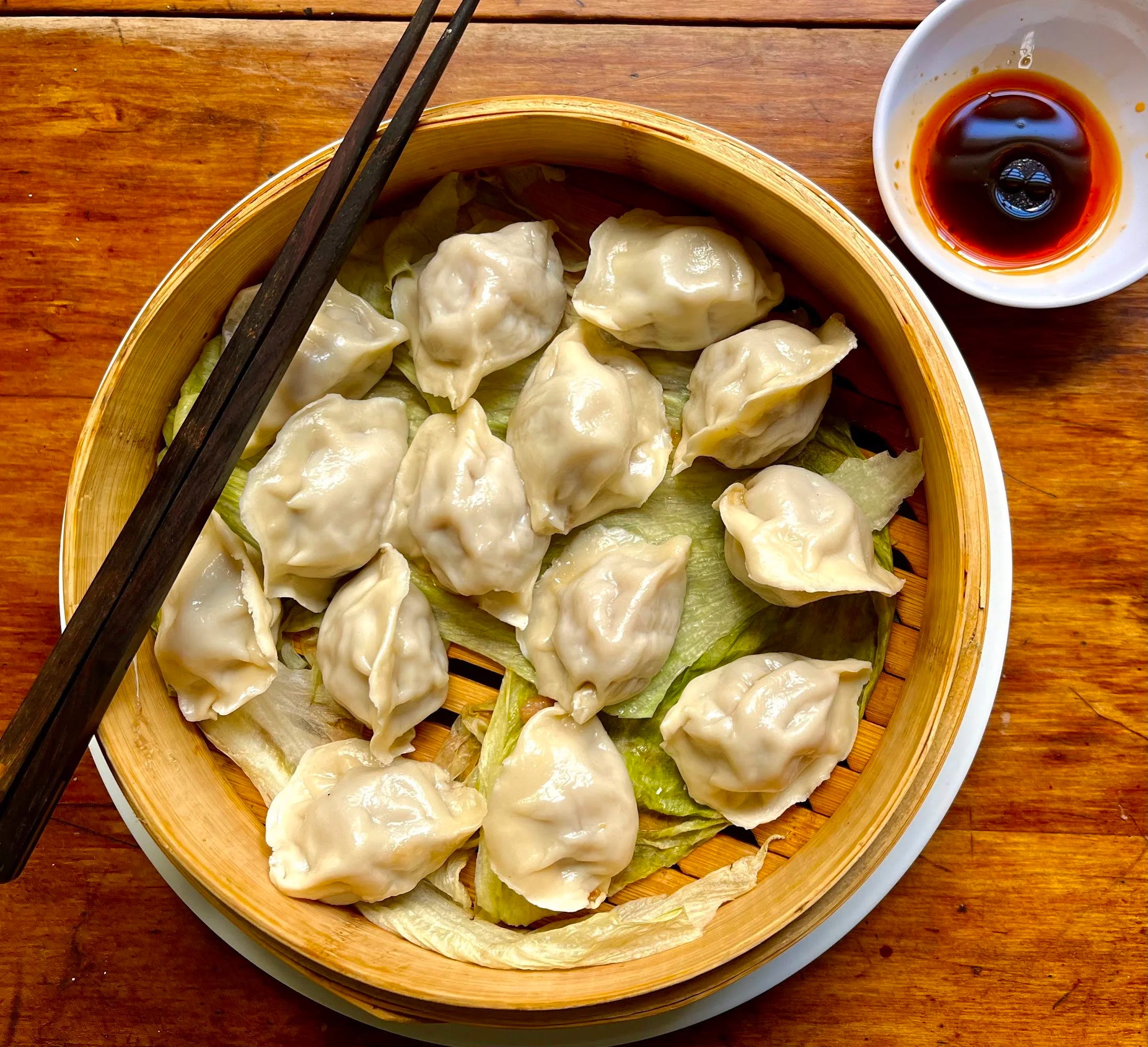
When I came to live in Mexico City in the late 1990s, I was obsessed with finding the best Mexican food. There were no restaurant guides for outsiders—I would later write the first one. Street food was still regarded with suspicion by most foreign visitors. The only indispensable guidebook I found was the mythical, spiral-bound Guía del Pleno Disfrute de la Ciudad de México, produced by a circle of writers and intellectuals and as rare as a three-peso bill. It became my bible.
In his introduction, the essayist, urban chronicler and bon vivant Carlos Monsiváis posed a question that has stayed with me ever since:
“What does a city offer? What are its mysteries, its hidden corners, its underground paradises? And what mechanisms does it provide for pleasure?”
For years, I thought the answer lay entirely in local food. I chased late-night taquerías, weekend barbacoa, mole made by anonymous women in hole-in-the-wall kitchens, forgotten fondas and bustling market stalls. I was still captivated by that troublesome word “authentic”—a concept I have long since abandoned. I believed that understanding Mexico meant eating nothing but Mexican food. But Mexico City has changed; so have I.
One of the most rewarding ways to understand the city today is by eating everyone else’s food. That may sound like a contradiction. Why fly halfway around the world only to eat Chinese noodles or Korean barbecue? Because those meals are just as much a part of contemporary Mexico City as tacos al pastor.
One of the great misconceptions about “eating local” is that it assumes a city’s identity can be reduced to its traditional cuisine. But cities aren’t museums. They evolve with the people who live in them.
Mexico City was cosmopolitan long before anyone coined the phrase “digital nomad.” Chinese immigrants founded the cafés de chinos more than a century ago. Spanish, French, Lebanese and Jewish communities have all left lasting marks on the city’s culinary landscape. More recently, Indians, Koreans, Japanese, Venezuelans and, increasingly, Chinese immigrants have added entirely new chapters.
Contrary to what one occasionally reads in newspaper trend pieces, none of this has diluted Mexican cuisine. During the thirty years I’ve lived here, I’ve witnessed precisely the opposite. Regional Mexican cooking has flourished. There are more excellent taquerías, seafood restaurants, fondas and fine-dining venues than ever before. The city’s table hasn’t become less Mexican; it has become bigger.
So when people ask me what I miss most about New York, I usually answer: family, friends… and good Chinese food.
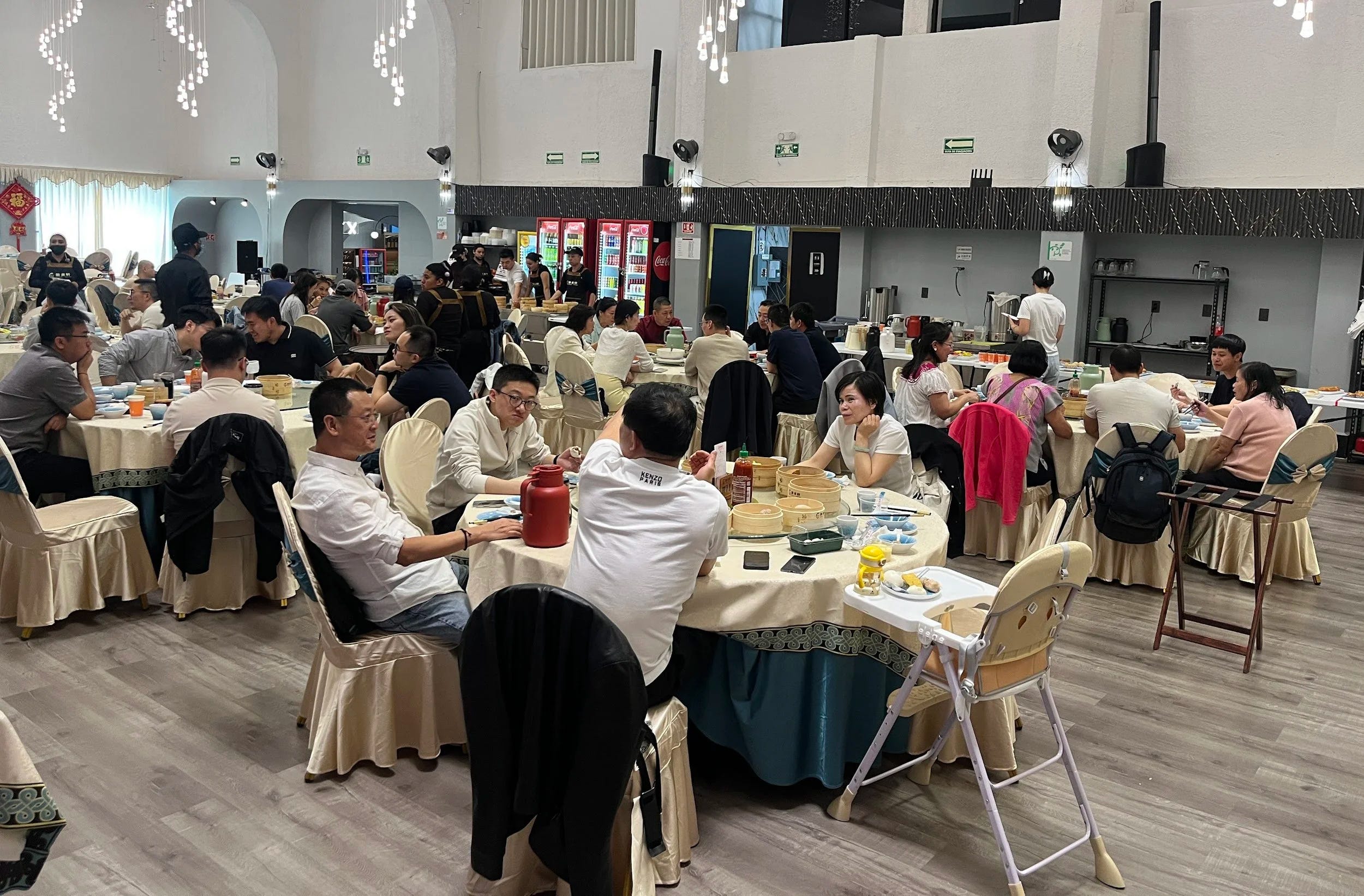
For years, finding it in Mexico City felt like searching for the Holy Grail. Every so often someone would whisper about a place above a shopping arcade or hidden behind an office building where nobody spoke much Spanish, the menu wasn’t translated, and every table seemed occupied by people who clearly hadn’t come because the restaurant had five stars on Yelp or appeared in a guidebook. Half the time, the rumors proved disappointing. Then, every once in a while, I’d strike gold. Those discoveries thrilled me every bit as much as finding an extraordinary taco stand. Eventually I realized why. The best foreign restaurants in Mexico City are the ones that don’t really care whether you come or not. That isn’t meant as criticism. Quite the opposite. Their purpose isn’t to introduce Chinese food to Mexicans or Indian food to tourists. They exist because someone misses the food they grew up with. They serve homesick students, engineers, factory managers, visiting relatives and families who simply want dinner to taste like home. The rest of us are welcome, of course. We’re just not the intended audience, and that’s precisely what makes them so exciting.
There is something deeply satisfying about eating another person’s comfort food. Food that hasn’t been adjusted, translated, sweetened or explained. Food that assumes you already know what it is and if you don’t, you’ll learn.
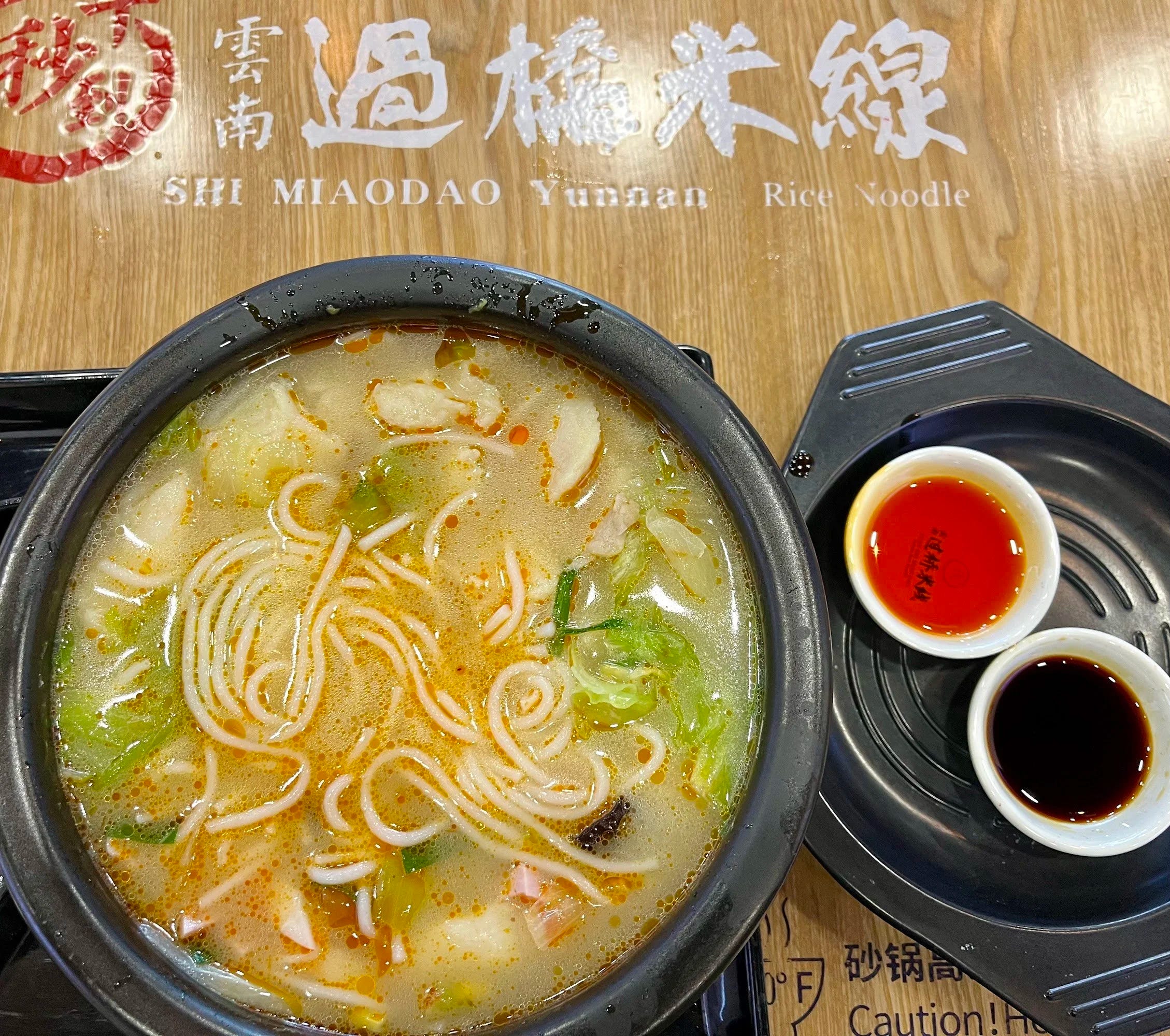
In the last few years, that world has expanded dramatically in Mexico. A growing Chinese community—driven in part by investment in the electric vehicle and technology sectors—has brought with it a new generation of restaurants serving regional cuisines that would have been unimaginable here a decade ago. Some don’t even have Spanish menus, requiring Google Translate and a willingness to take chances. The dining rooms are filled largely with Chinese customers. Exactly as they should be.
I find myself increasingly drawn to these places—not because I’m tired of Mexican food, but because they reveal another Mexico City. The same is true of Korean restaurants crowded with Korean families, Japanese noodle shops serving Japanese office workers, or even American-style cafés feeding brunch to homesick digital nomads. These aren’t “ethnic restaurants,” they’re neighborhood venues serving neighborhoods most of us never knew existed.
Carlos Monsiváis asked what hidden pleasures a city proposes. After almost three decades, I’m still answering that question. Some of those hidden pleasures are still found in tiny taquerías and market stalls. Others arrive in bowls of hand-pulled noodles, sizzling Korean grills, or plates of food whose names I still can’t pronounce.
That’s one of the great pleasures of living in a city that never stops becoming itself.
If you’re curious to explore this other side of Mexico City’s dining scene, I’ve written about many of these discoveries—including outstanding Chinese restaurants and other immigrant cuisines—on Good Food Mexico.
Consider it the beginning, not the end, of the treasure hunt.
This article was originally published by Nicholas Gilman.
Lovely, Nicholas! And I agree that Mexican food has only gotten better with foreign influence. Maybe the practice of putting the Mexican flourish on imported recipes (to adapt to the local audience) reinforces the elements that matter most in chefs’ minds 🤔
Never heard of the guide you mentioned either, if you have it I wonder if it’s collectible now!