


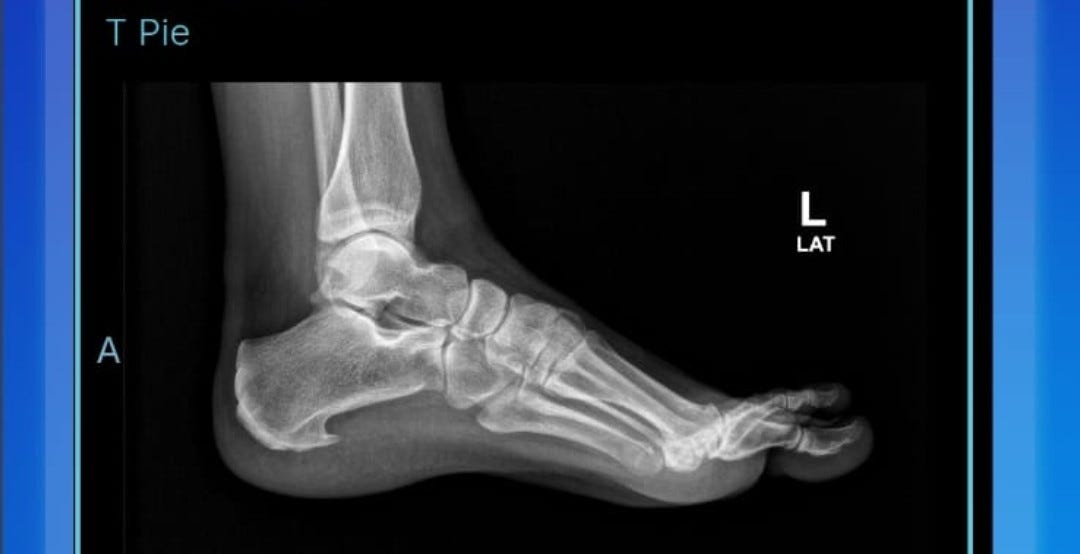
We hope you never need this advice, but you never know when you might trip over a tree root when you’re admiring Mexico City’s architecture or eat something a little too spicy that leads to some digestive problems.
Mexico City has excellent healthcare, but the system isn’t the same as what you’re used to. And, if your Spanish isn’t strong, you’ll want to connect with English-speaking care.
Here’s where to turn.
💊Pharmacies
You can find the basics—aspirin, cough medicine, and the lip balm you will never stop needing in this city—at an OXXO or local aborrote (corner store). But a pharmacy (farmacia) is a better choice, and they’re everywhere.
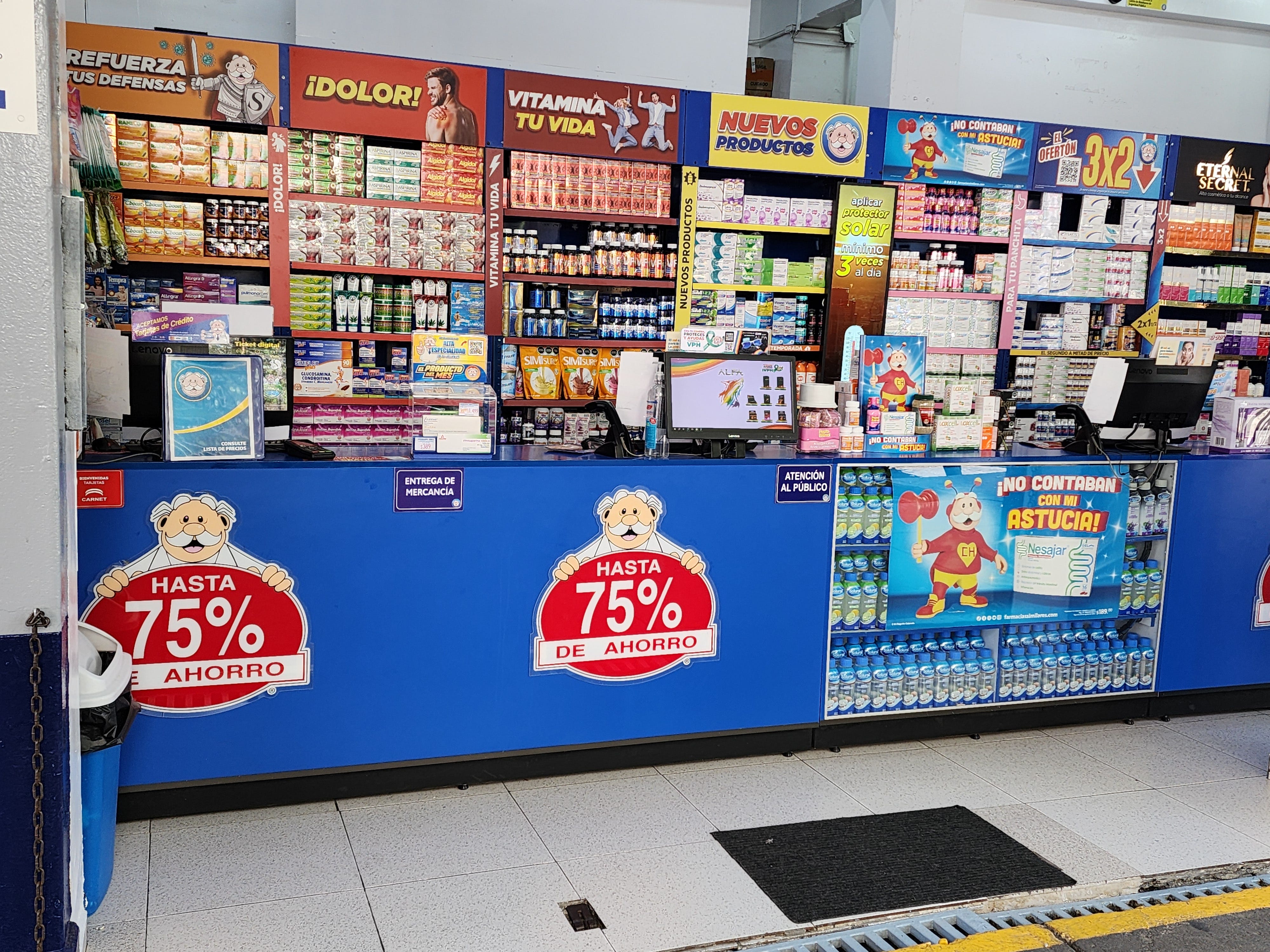
They’re also dramatically better than the pharmacies we know from the United States.
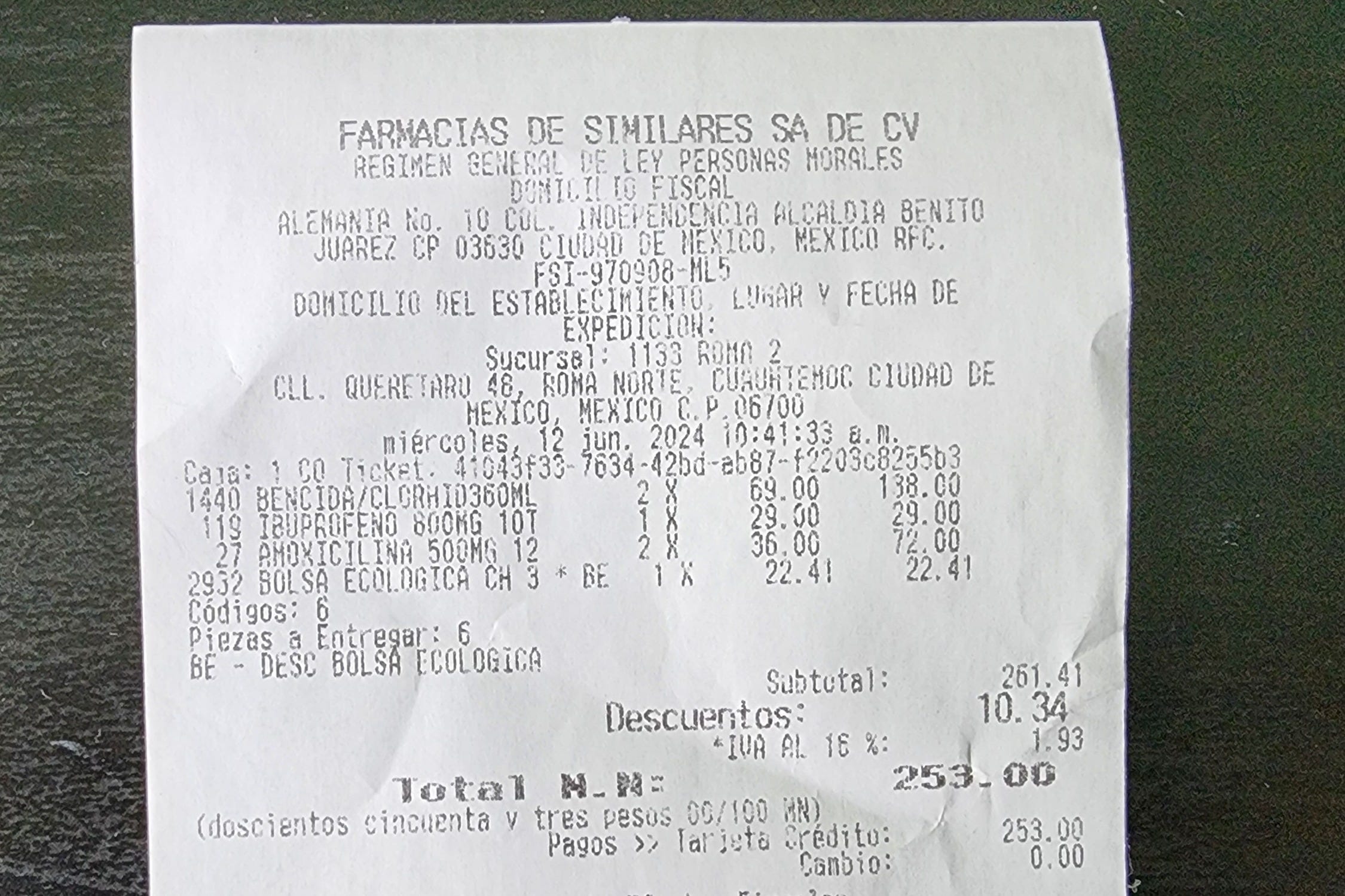
In Mexico City, you can buy most medications over the counter, including those that require a prescription back home, and at much lower prices. The only exceptions are antibiotics and controlled substances like Adderall.
For all our tips, recommendations, and itineraries, grab a copy of Eternal Spring: Our Guide to Mexico City. It's optimized for your phone, with links to everything you need for your trip.
Most pharmacies are counter-service only, but don’t be intimidated if you don’t speak Spanish. We’ve always found that pharmacists do their best to help us get what we need.
It can help to call up a photo of the product you want or to translate your symptoms into Spanish so they can recommend something. They will often show you the product before you buy it, so you can translate the label if you'd like to.
Not everything matches up exactly with U.S. products. For example, I might normally reach for Advil whether I have a headache or a backache. In Mexico City, they have different products for different aches.
Tip: Don’t be surprised if they try to upsell you after you find what you want. There might be an offer like 3 for the price of 2. Or, they might ask if you would like vitamins, sunscreen, or probiotics.
🚶♀️Walk-in doctor’s offices
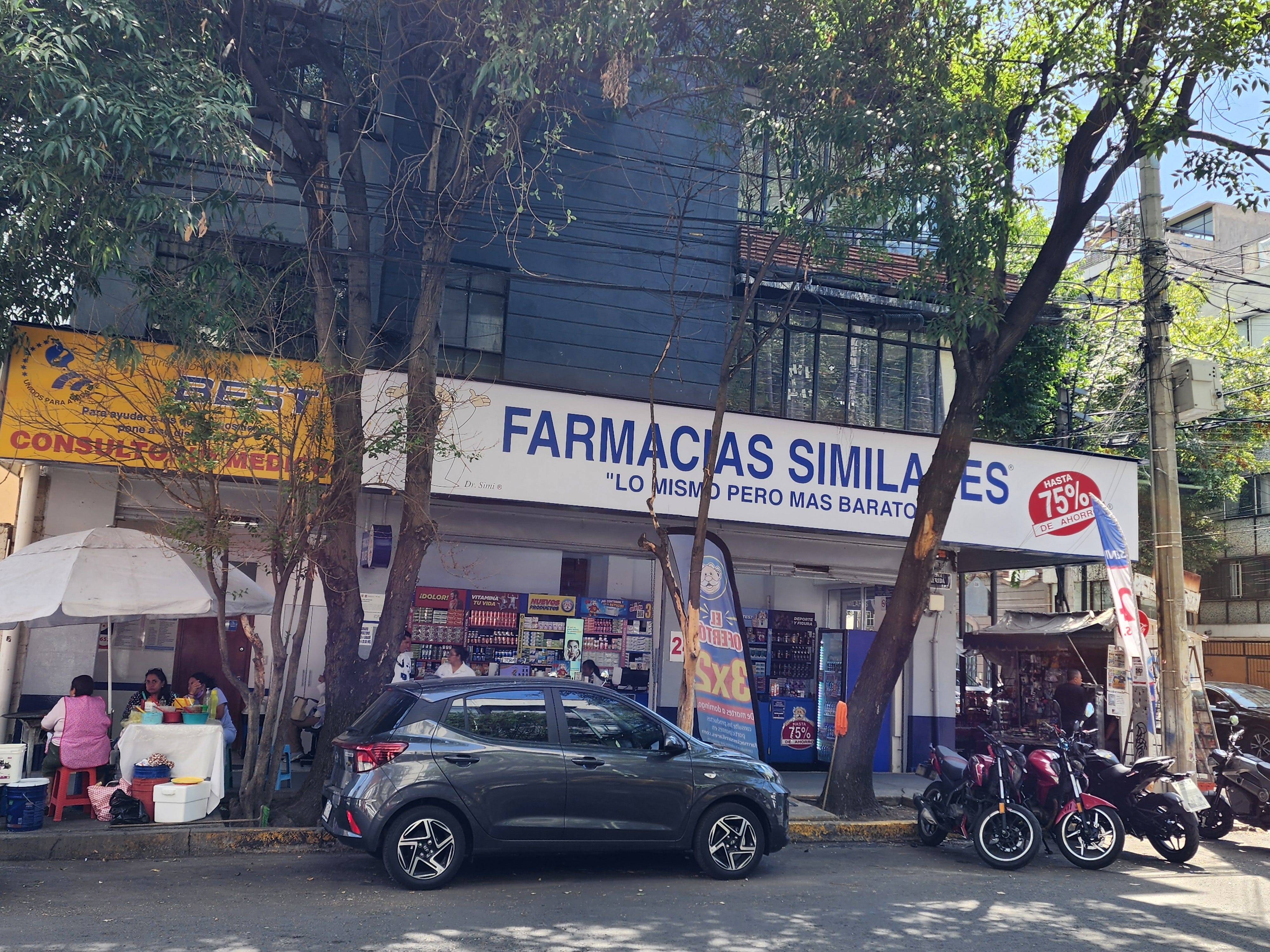
Many pharmacies partner with a doctor, who is typically next door in a small office. This is handy if you’re experiencing a non-life-threatening medical event and need help. It’s like a small and local version of a U.S. urgent care center.
The doctor can diagnose you on-site, and if you need medication, they can prescribe it, and you can pick it up at the attached pharmacy. As with most other things in Mexico City, this service, and a prescription, if required, is inexpensive.
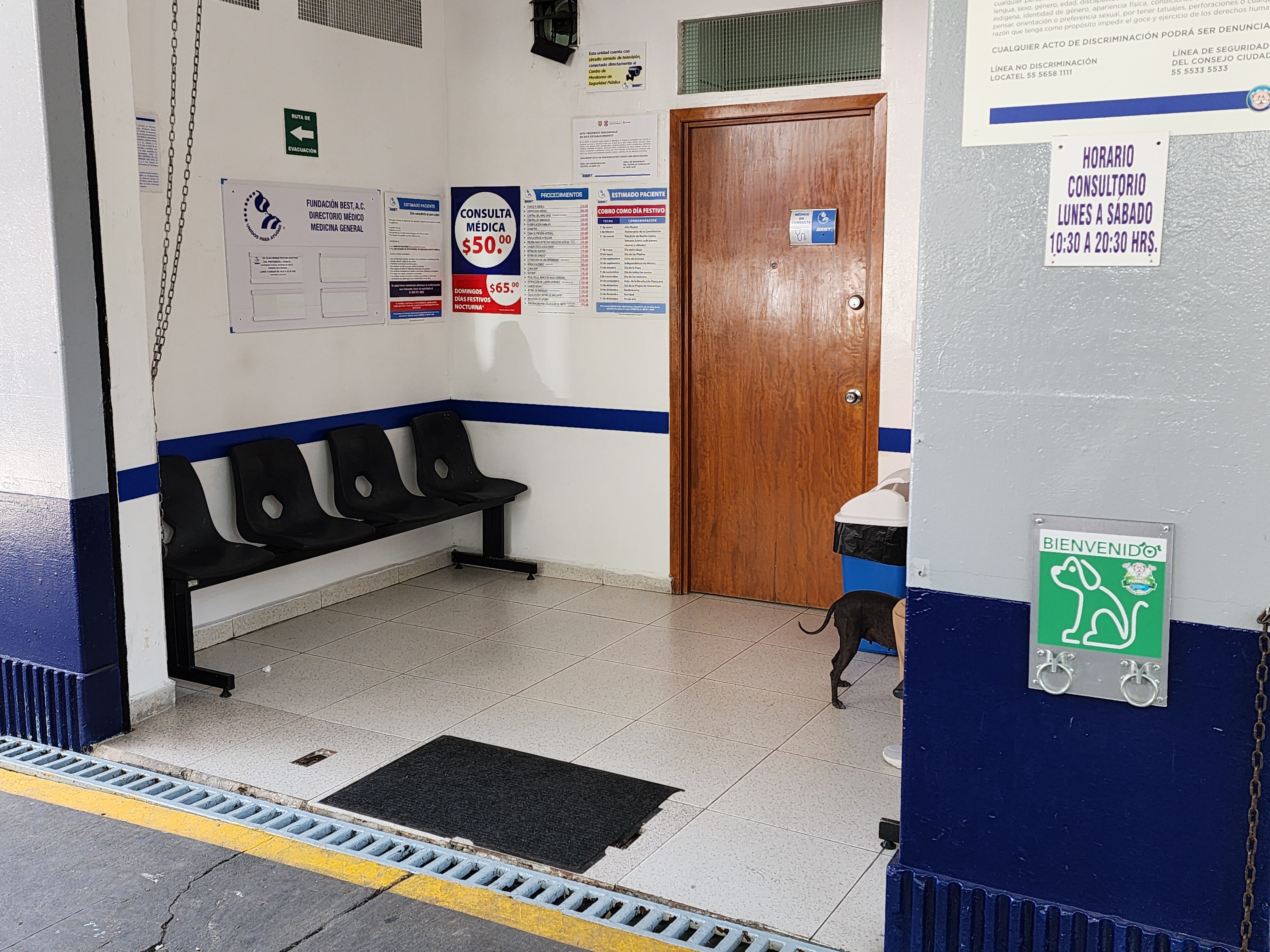
Look for a few chairs outside the entrance next to a pharmacy. There should also be a sign with the doctor’s name and hours. You just wait your turn to be seen.
This is a great option if you’re pretty sure what your problem is and you want to get some prescription medication.
I used this type of doctor when I thought I had an infection in my gum. Luckily, I ended up with an English-speaking doctor.
He looked at my gums, asked me a few questions, diagnosed me, and sent me to the pharmacy next door with prescriptions for painkillers, antibiotics, and mouthwash. The appointment and all the medication cost me the equivalent of $16 USD.
👩⚕️Doctor’s appointments
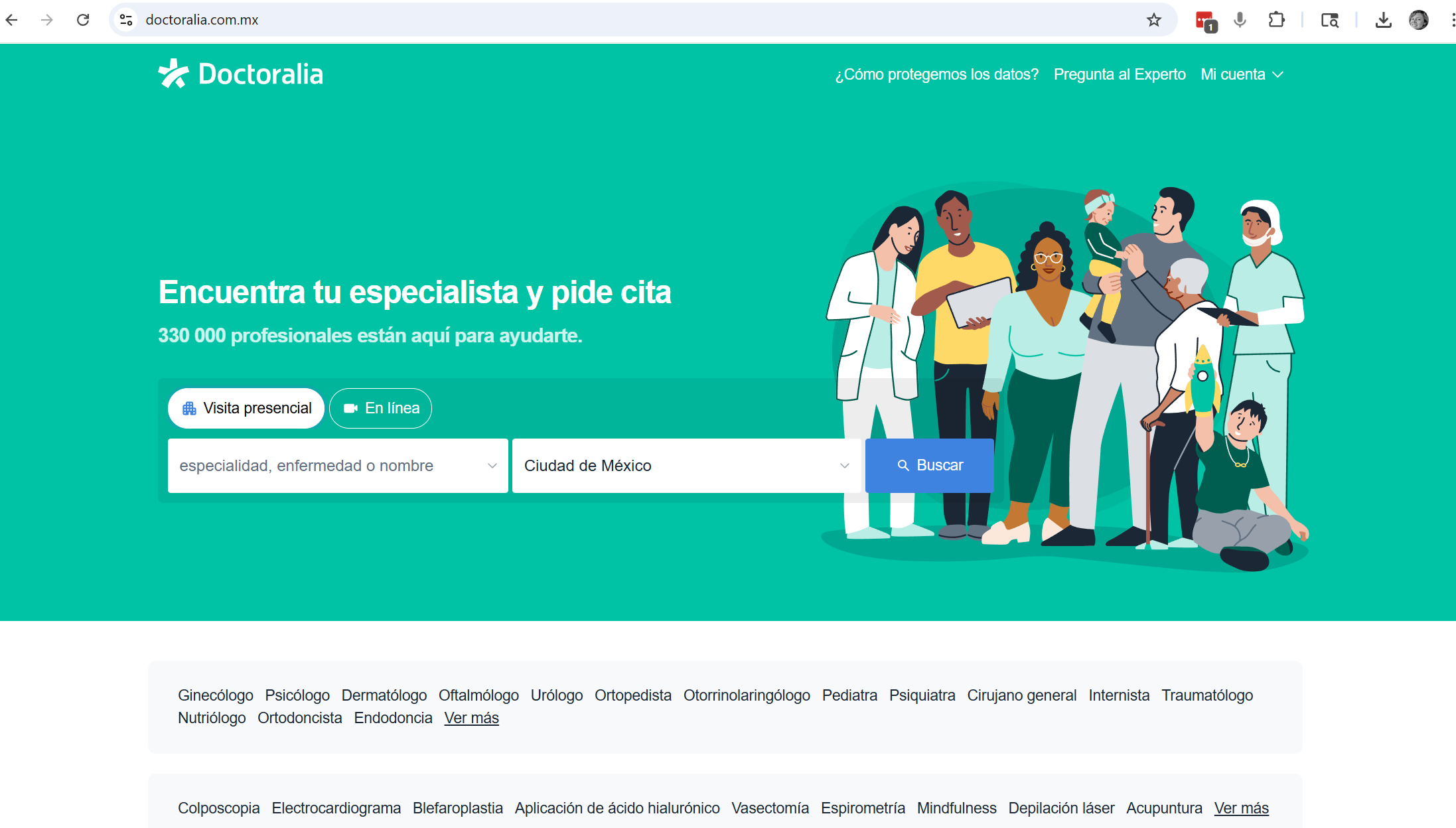
If you need to see someone for a more complex issue, I recommend using 📲Doctoralia. You’ll have to start your search in Spanish, so you may need to do some translating, but you can filter to search for doctors who speak English.
You use the box on the left to choose a specialty. A lot of the specialty names are close enough to English that you should be able to figure it out (dermatologo/dermatologist, ortopedista/orthopedist, etc.)
Then you can search (buscar) for the specialty you want. I had some pain in my foot I wanted to get checked, so I searched for an orthopedist.
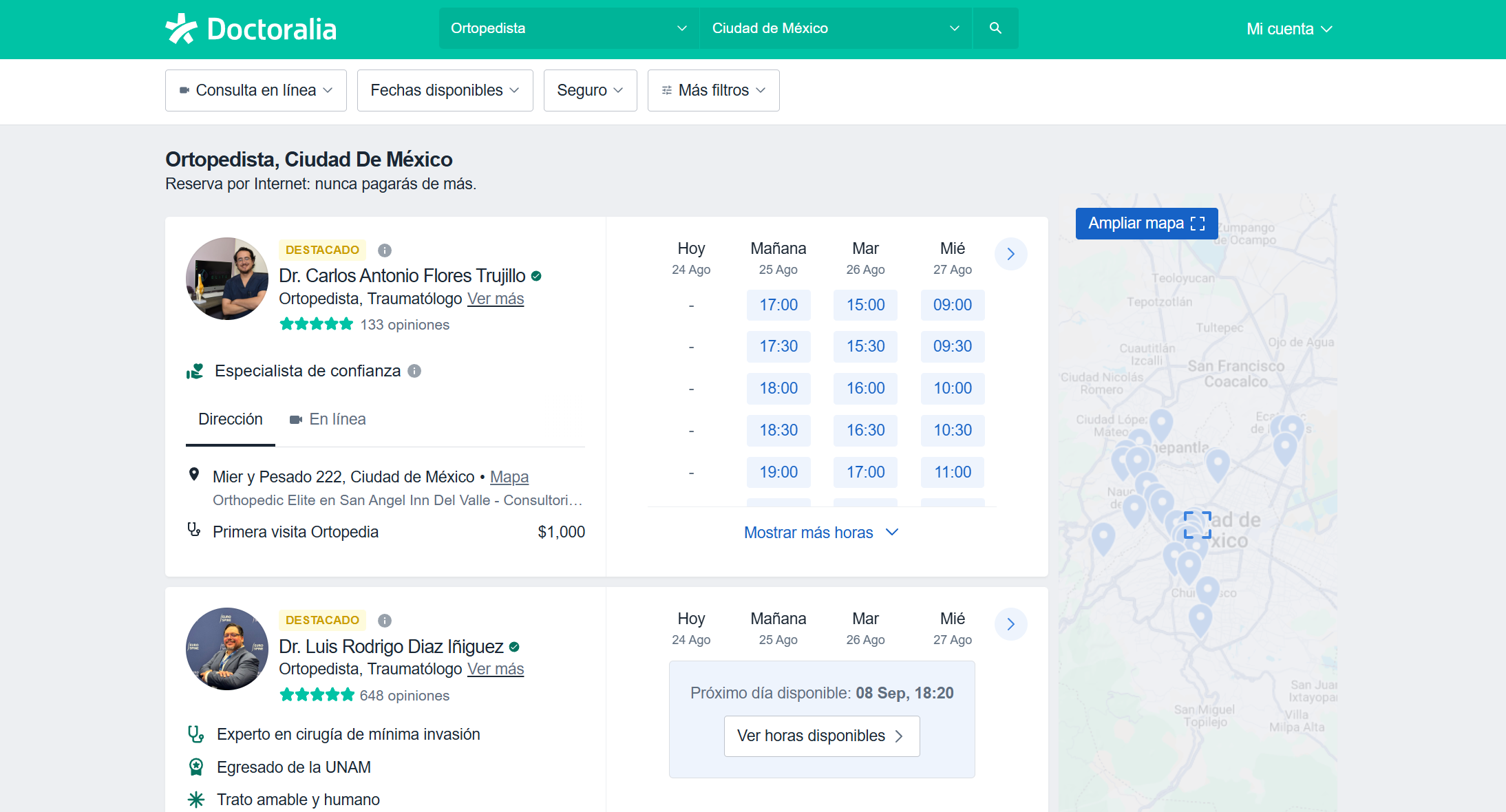
At the top of that page, click on Mas filtros (more filters) →Idioma (language)→Ingles.
Then, you’ll see a list of specialists who speak English on the left and a map on the right, so you can pick someone who’s convenient for you and schedule a virtual or in-person appointment.
Once you mschedule an appointment, you’ll need to install the Doctoralia app, and from there you can message your doctor.
When I needed my foot checked this summer, I messaged my doctor to make sure it was his area of expertise. And when I realized I had made my appointment at the wrong location, we messaged to reschedule to his office close to my apartment.
The appointment was very thorough, and I left with prescriptions for pain and inflammation, referrals for physical therapy and X-rays, and a recommendation for shoe inserts.
These doctors are pricier than the public doctors next to the pharmacies. Expect to pay $1,000 to $2,000 pesos ($50 to $100 USD) for your appointment. You’ll see the prices on the website so you’ll know what to expect ahead of time.
Tip: Doctoralia isn’t just available in Mexico. You can use it in Argentina, Brazil, Czech Republic, Chile, Columbia, Spain, Italy, Peru, Poland, Portugal, and Turkey.
🩻Special services
My doctor referred me to a physical therapist who spoke English, and I had five sessions with her. She was great—she explained what she wanted to do and why, and she gave me exercises I could do at home.
PT cost me $900 MXN ($45 USD) per session, and there were discounts for five and 10 session packages.
I went to the radiology department at a nearby hospital for my X-rays. MY interactions there were a little trickier, since no one spoke English. But everyone was helpful, and I managed to get the scans done. The X-rays cost $2,000 MXN ($100 USD).
🏥Hospitals
Mexico City has public and private hospitals. Public hospitals can have long wait times, and you might not be able to get treatment if you’re not a Mexican citizen or resident. So, as a visitor, you’ll probably want a private hospital.
When you open a hospital listing in Google Maps, it will tell you if it’s private or public (government).
🚑Major emergencies: 911
Like in the United States, you can call 911 for emergency care. Luckily, we haven’t had any medical issues major enough for us to need paramedics or an ambulance.
☑️Before you go
It’s a good idea to be prepared in case you need medical care:
Health insurance: Find out what’s covered internationally. Our insurance only covers emergencies, but we have a high-deductible plan, so paying out of pocket for non-emergencies costs less.
Know your address: If you have a major emergency when you’re out in the city, bystanders will probably help. But what if you’re in a vacation rental? Know your address and how to say it in Spanish in case you have to call 911.
Closest hospitals: Pin the hospitals closest to where you’re staying in your maps app so you can find them quickly if you need to.
Super thorough, Stephanie (or could I say 'thurrott')? Glad the foot is on the mend!
Catching up on all my Substack reading, with all the packing and closing my life down in the USA, I just haven´t had a lot of free time to read.