



Key takeaway: You are probably just as safe, or safer, in Mexico City as you are in any major U.S. or European city:
Pay attention to your surroundings
Keep your valuables safe
Know where your bags are
Steer clear of sketchy areas (there’s no reason to go to places that have unsafe reputations, anyway)
Back in 2021, when Covid restrictions were still in place and a lot of the world was off-limits, Paul was researching places where we could travel. The more he saw about Mexico City, the more he found it interesting.
He was thinking about how to bring it up to me, and he knew how I would react. At that time, my opinions on Mexico City were entirely shaped by U.S. news and media.
So, in my mind, Mexico City was a place filled with machine-gun-armed narcoterrorists. I’d be caught in crossfire unless I was kidnapped first. Why would I ever want to go there?
Paul said, “I know what you’re going to say. Hear me out.” He showed me videos of people vacationing in Mexico City.
They were riding bikes down tree-lined streets, sipping coffee or cocktails at sidewalk cafes, and dining in some of the world’s best restaurants.
Before long, I was convinced, and in June 2021 we visited Mexico City for the first time. We fell in love with it, so much so that six months later, we started the process of buying an apartment.
🚶♀️Do we feel safe in Mexico City?
Yes. We walk everywhere we want to go, any time of day or night. Even when the streets are quiet or dark, they feel safe to us. We’re usually together, but when we aren’t, I feel safe walking by myself.
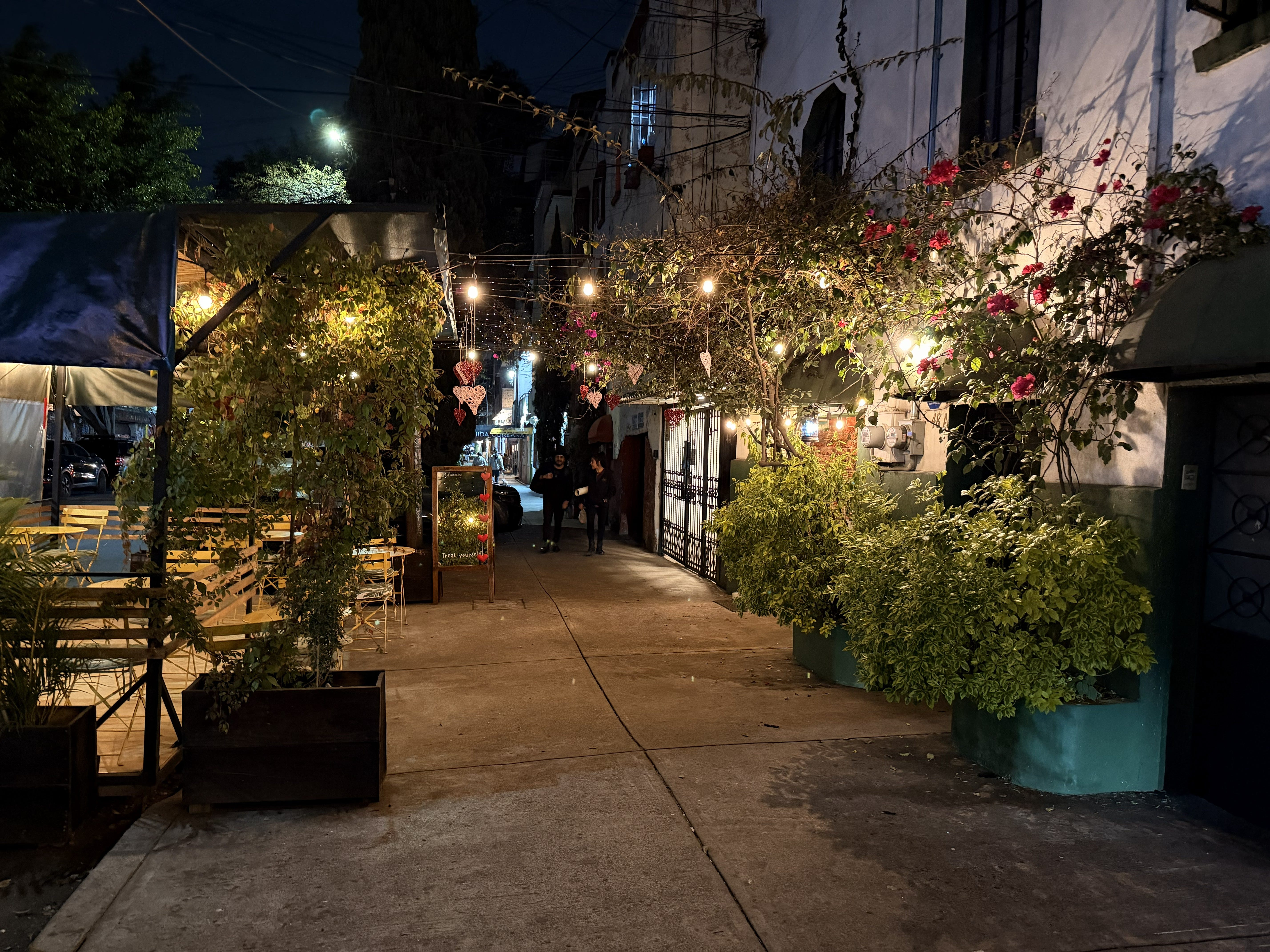
The Roma Norte and Condesa areas, where most visitors stay, are home to lots of upscale shops. We joke around that if we ever feel unsafe, we’ll duck into a sushi bar, an artisanal dog treat bakery, or a vegan restaurant.
In general, most of the places you would like to explore as a visitor—the places where you’ll find top museums, attractions, shops, and restaurants—are safe. You should also be safe exploring other parts of the city with a tour guide.
🚅What about safety on the Metro?
We take the Metro to different parts of the city and it feels as safe to us as any other subway system we’ve traveled.
That said, it can get really crowded, so we tend to avoid it during rush hour.
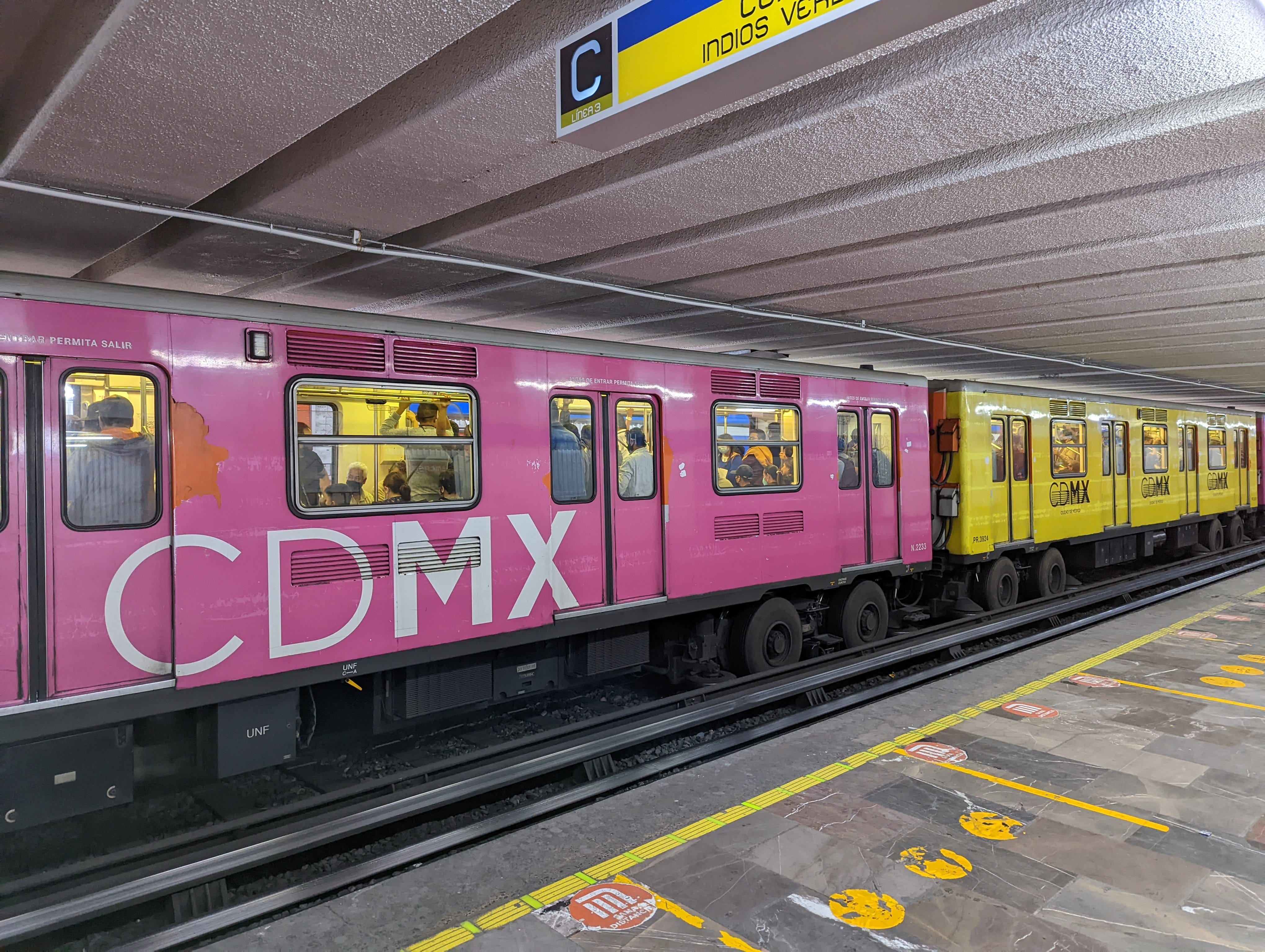
Both the Metro and the Metrobus have cars or areas reserved just for women and children. These tend to be less crowded, and sometimes I’ll ride in that section on my own and meet Paul when we get to our stop.
🔥What about cartel violence in Mexico City?
In February 2026, cartel leader Nemesio Oseguera Cervantes, (El Mencho) was killed in Talpalpa.
For all our tips, recommendations, and itineraries, grab a copy of Eternal Spring: Our Guide to Mexico City. It’s optimized for your phone, with links to everything you need for your trip.
Paid subscribers get a copy for free!
Violence broke out in Talpalpa, as well as in places like Guadalajara, Mexico’s second-largest city, and Puerto Vallarta, a popular resort area on Mexico’s west coast.
But it wasn’t as bad or as widespread as it looked. AI-generated false information about the violence spread quickly on social media. And the way the U.S. media covered the events, you would think the entire country was a war zone, and on fire.
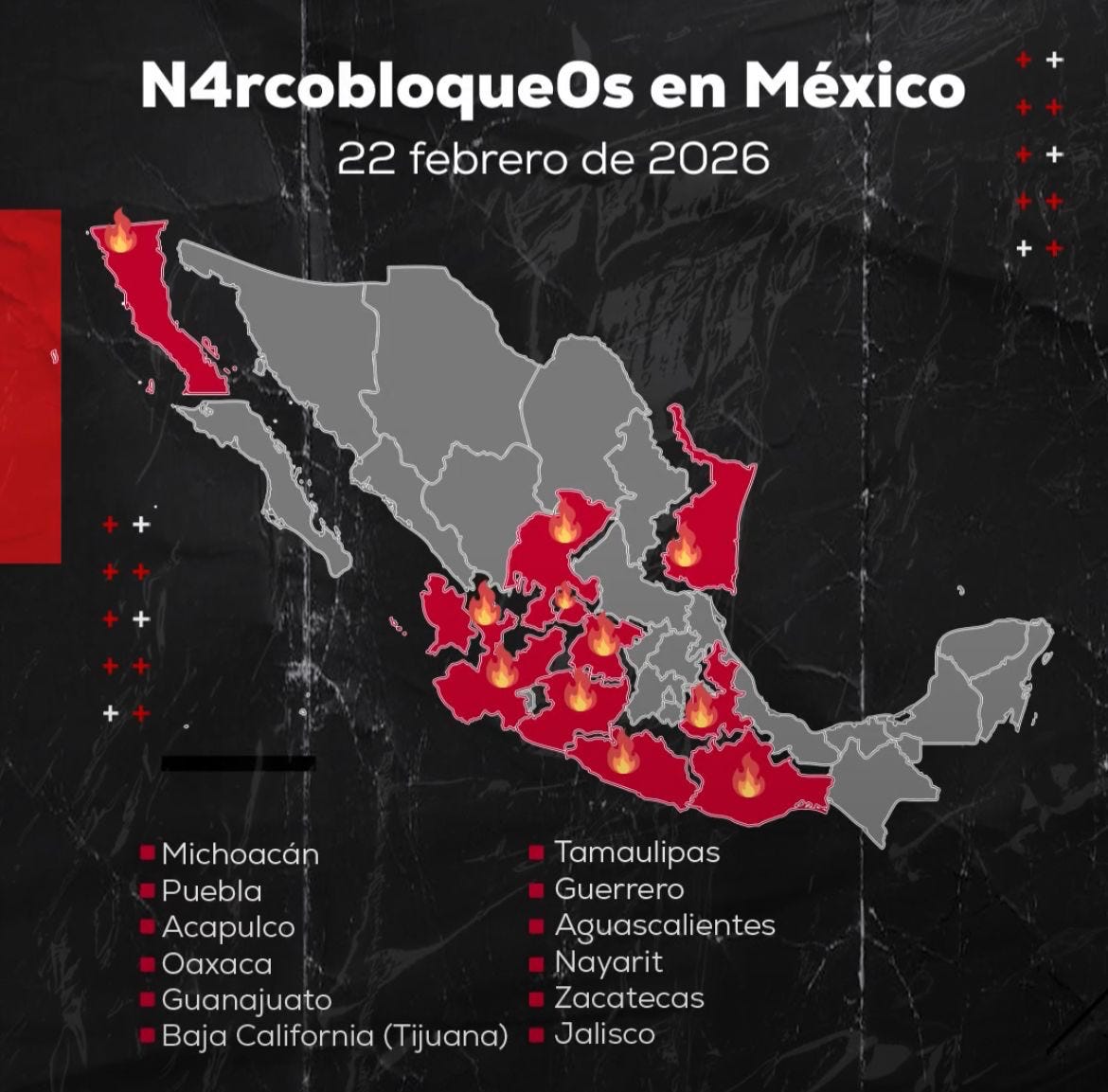
We got loads of messages from our American friends and family asking if we were OK. Some even demanded that we return home immediately. Some IN ALL CAPS.
But what actually happened in Mexico City?
As far as we can tell, nothing. Absolutely nothing.
Here’s the thing: Mexico is a really big place:
Guadalajara is about 330 miles from Mexico City, about a 7 hour drive.
That’s roughly the distance from Boston to Philadelphia.Talpalpa is more than 400 miles from Mexico City.
It’s about the distance between Denver and Albuquerque.Puerto Vallarta is more than 500 miles from Mexico City.
When we visit there, we fly. It’s too long of a drive for us. It’s further than Chicago is from Nashville.
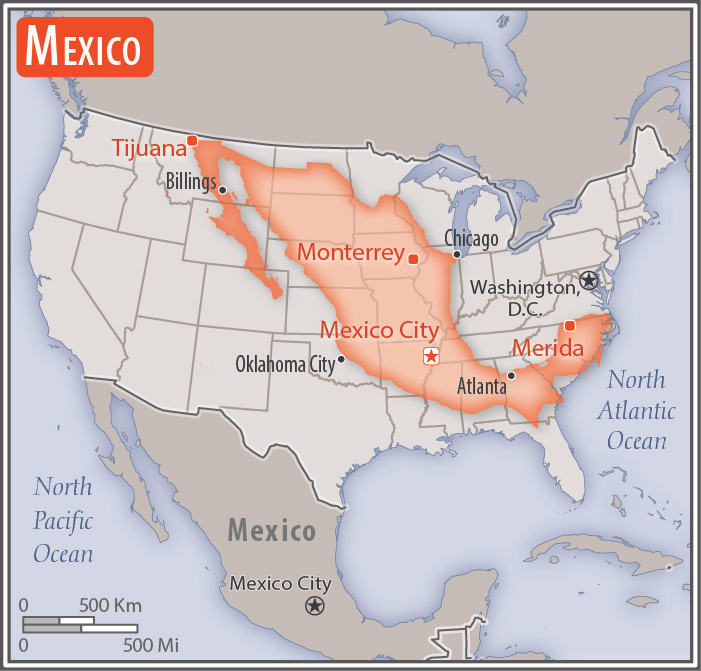
So, if you hear about violence or crime in Mexico, drill down and find out exactly what’s happening, and where.
Think of it like this: If you lived in Boston, how concerned would you be about violence in Chicago? Not at all.
👮♀️There is a heavy police presence in Mexico City
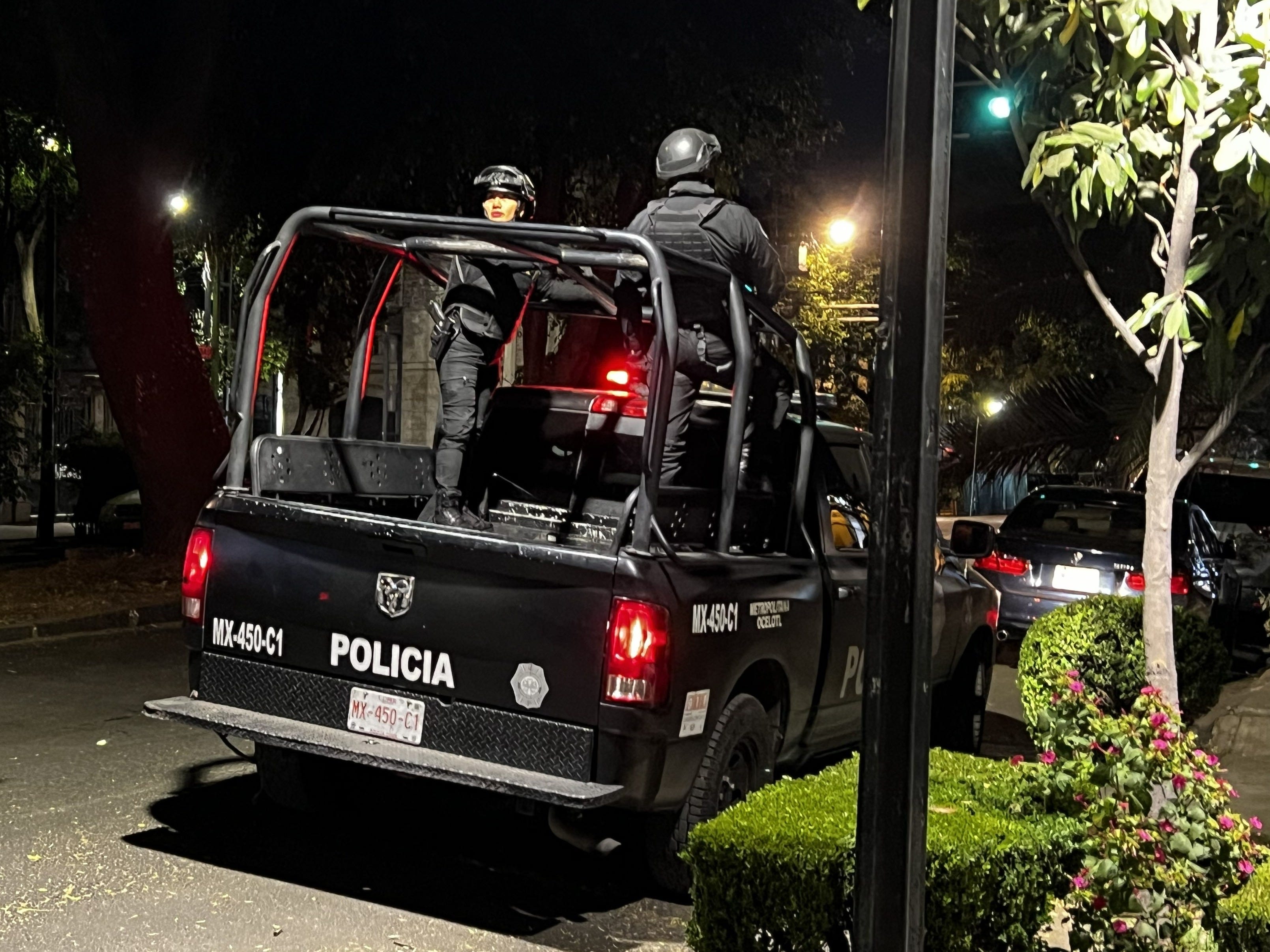
In Mexico City, you’ll see a lot of police cars and trucks, at least compared to the U.S. and comparable to what we’ve seen in major European capitals like Paris. There are also lots of different kinds of police, from tourist police to neighborhood police to city police.
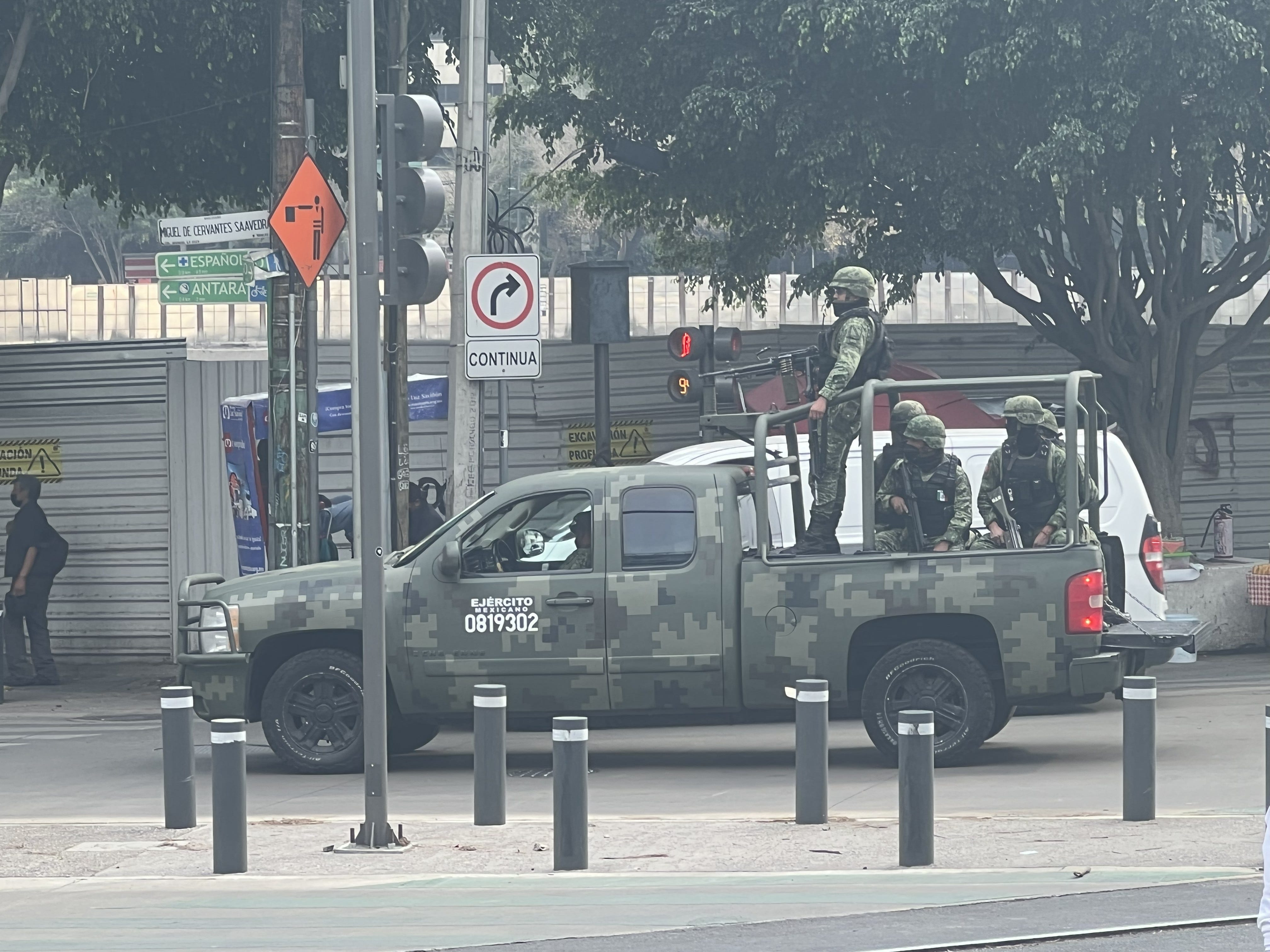
We’re told that all this police presence is supposed to make us feel safer. That’s not the way I feel when a truck full of officers holding machine guns drives by. I guess it’s one of the many cultural differences to embrace?
🌳Staying safe on the streets
We used to joke around that the most dangerous thing about Mexico City wasn’t the risk of crime, it was the chance of tripping. Sidewalks are uneven, tree roots grow up through them, and garage entrances create steps and ramps where you don’t expect them. Plus, some streets aren’t well-lit at night.
We’ve stumbled lots of times, but we’ve always managed to stay on our feet. Until recently.
One night, Paul tripped on a tree root coming up through the sidewalk, wasn’t able to catch his balance, and went down hard, bruising and scraping his shoulder, arm, leg, and knee.
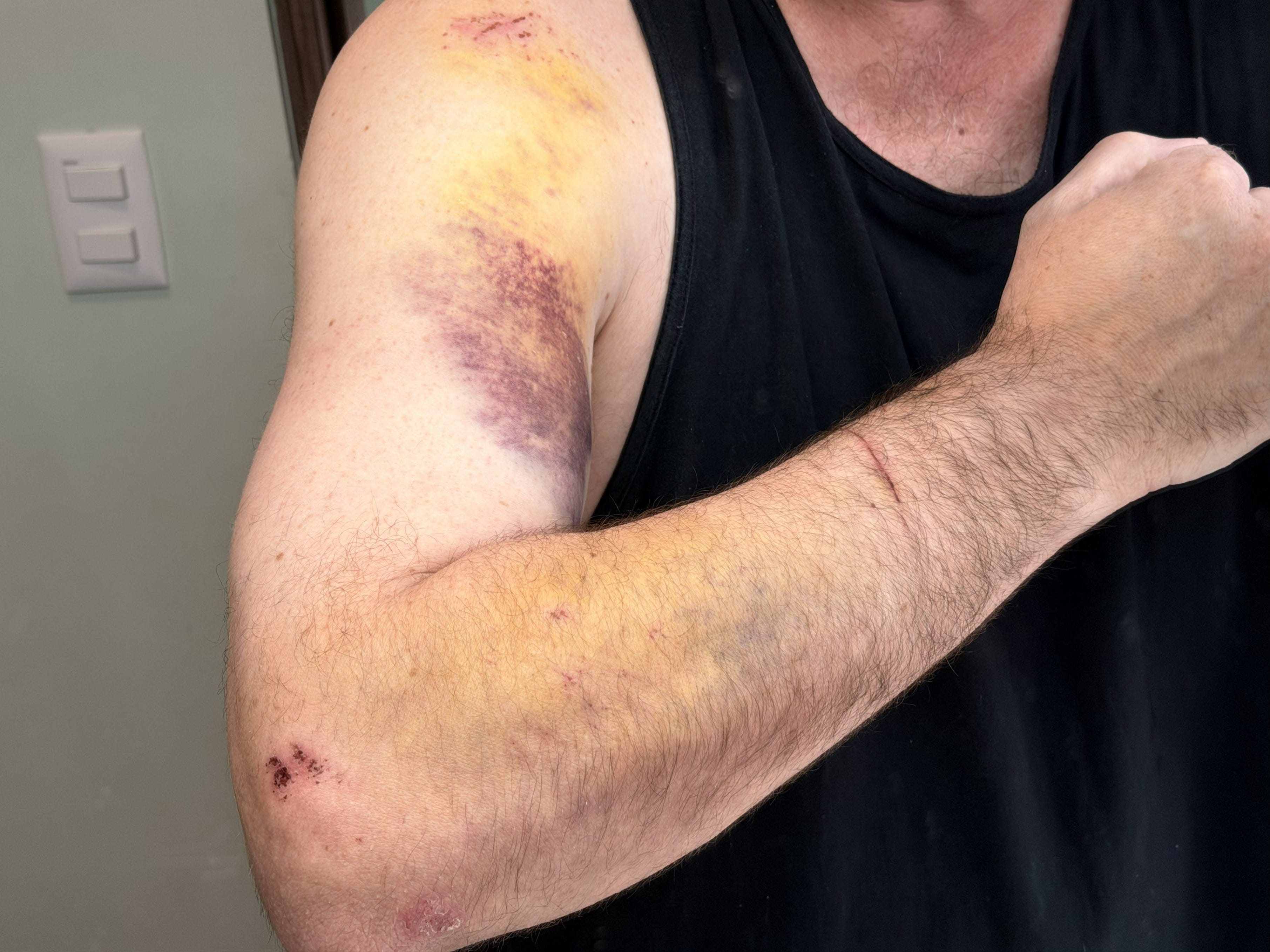
Luckily, he didn’t need emergency medical care, but he’s been pretty sore, and those bruises are going to take a while to fade.
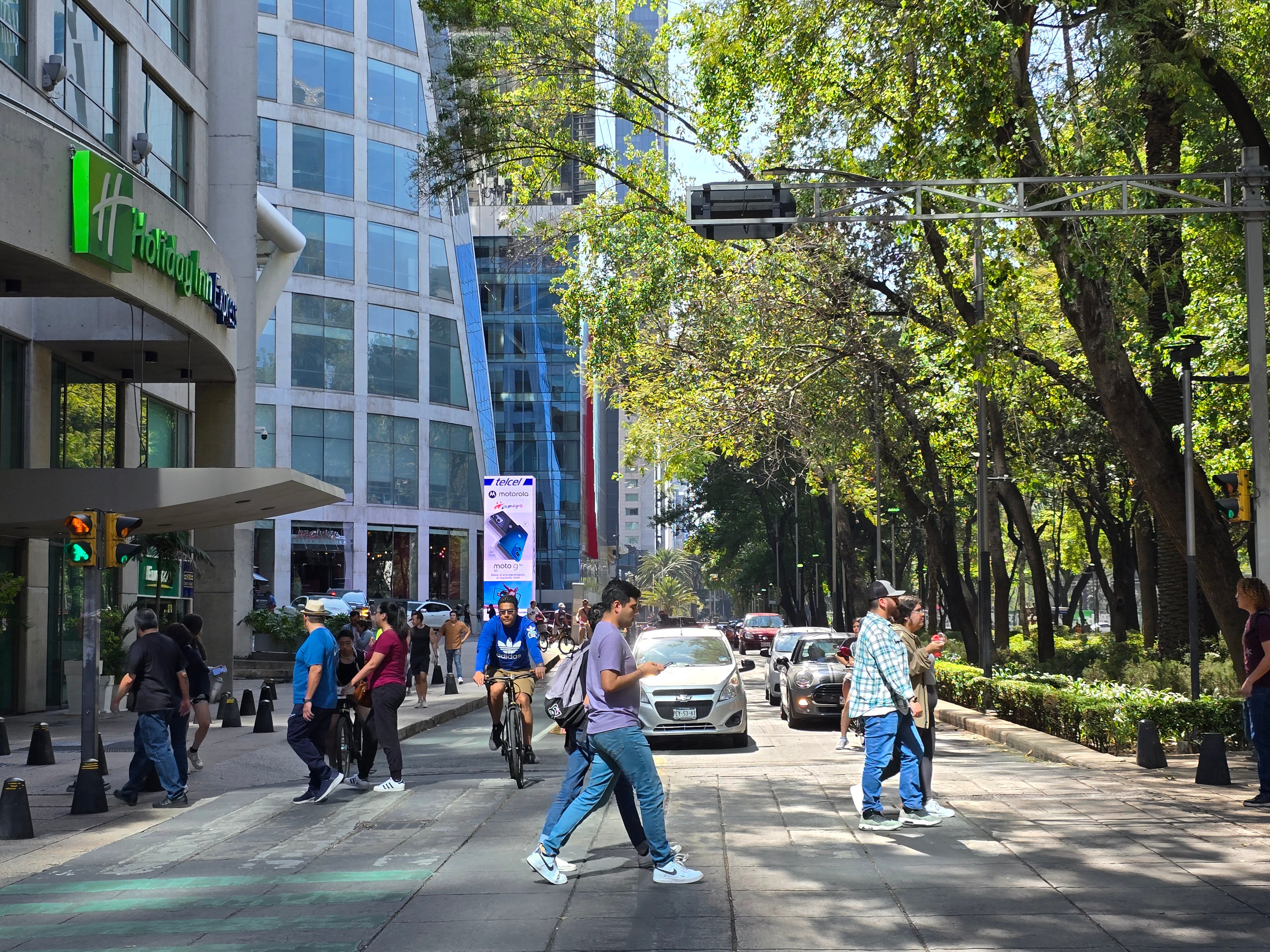
You should also be extra careful when you’re crossing the street. We’ve learned that:
Drivers can be unpredictable.
Many intersections have no stop signs or lights, making them a free-for-all for drivers.
A few more cars might “beat” the red light well after it changes.
Sometimes bus lanes run in the opposite direction as the car traffic.
We need to watch for cyclists in bike lanes.
Bikes and motorcycles will go the wrong way on one-way streets.
✔️Mexico City safety tips
We follow the same precautions in Mexico City as we do wherever we travel:
Only carry the cash and credit cards you need for the day. There’s no reason to have more than that with you.
Don’t wear flashy jewelry or carry fancy bags.
Be aware of your surroundings when you’re withdrawing money from an ATM. Plan to take out money during the day, and when you have other people with you.
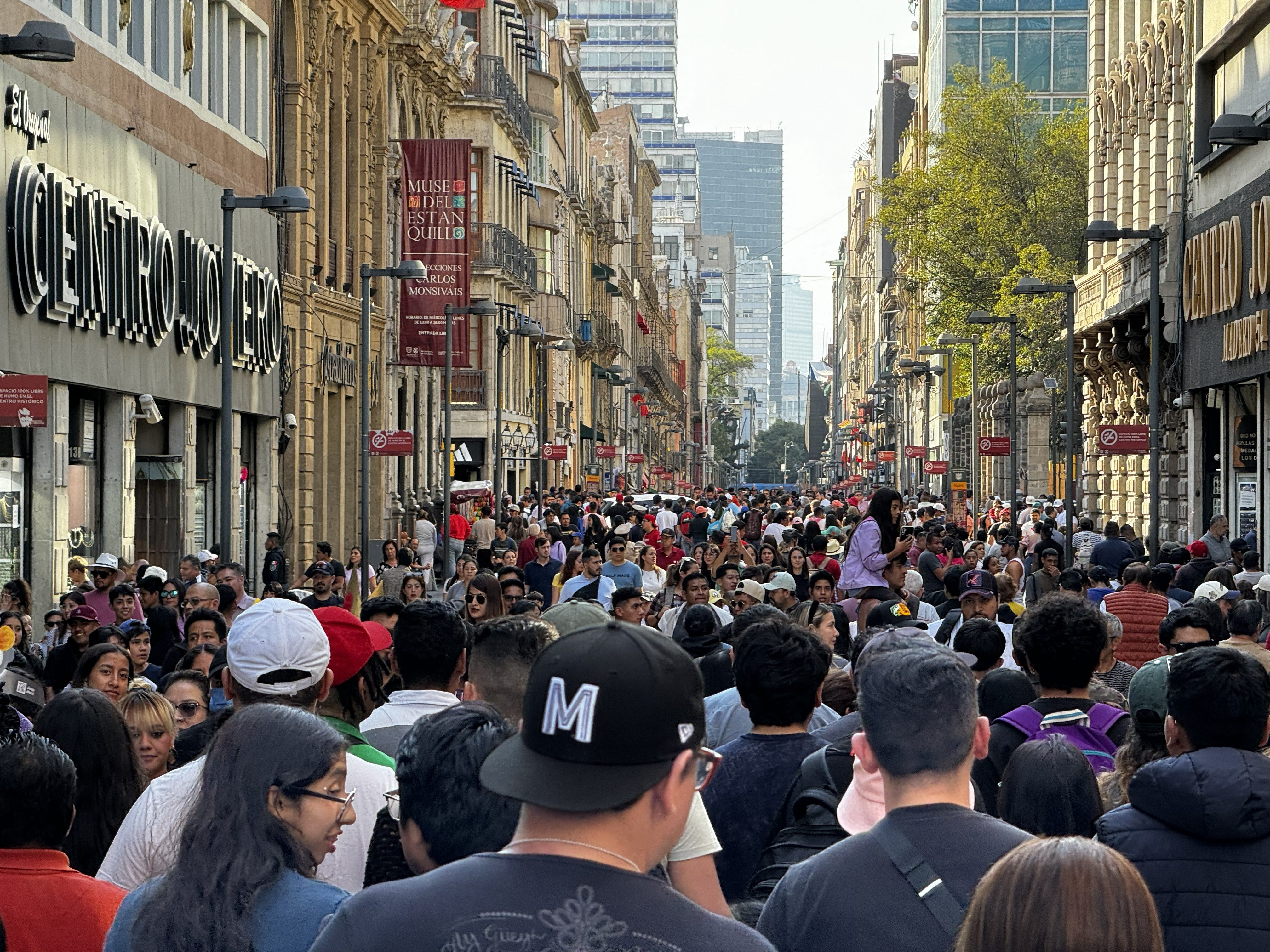
Be extra careful in crowds.

Keep your purse or backpack in sight when you’re in a restaurant, especially if you’re eating at a street-side table. Don’t put bags under your chair.
If you’re going to an unfamiliar neighborhood and you’re not sure if it’s safe to walk, take an Uber, Didi, or licensed taxi.
Don’t ask for trouble or behave in ways that attract attention, like walking around late at night with an open alcohol container or looking for street drugs. (We’ve never had any trouble taking home a bottle of wine we didn’t finish at a restaurant.)

Watch out for scams, especially times when people distract you or touch you. We’ve heard (but not seen) of one where someone “spills” mustard on you and picks your pockets as they help clean it off.
Keep a copy of your passport with you in case you need ID. Or get a passport card if you’re a U.S. citizen.
Call 911 for emergencies. You can also download App CDMX, which has a red button in the top right you can tap to connect with emergency services.
Check out more safety tips at Mexico City’s government website.
You may also like:

As a female solo travelling I was a bit apprehensive but I had absolutely no need to be. I spend my time in Roma Sur, Roma Norte, Condesa and Polanco- it feels so much safer than London. No guys in balaclavas whizzing past in e-bikes trying to take your phone (like in London)! Plus Ubers are so cheap it makes going anywhere accessible
Love this!!! Thank you for writing it 🥰