

Key takeaways
You might feel some effects from the lower oxygen levels in Mexico City, but most people don’t have serious issues.
Resting, drinking plenty of water, and getting enough sleep can help.

The first time Paul and I visited Mexico City, in 2021, Covid rules meant we had to wear masks in the airport.
We landed in terminal 1 and started the long walk to passports and customs. Before long we were both winded, and taking advantage of every moving walkway we could find so we could catch our breath.
Since then, even without masks, we’ve noticed the effects of the altitude on our energy levels. Sometimes, I even feel my heart beating fast even when I’m just sitting on the couch.
But it’s pretty easy to deal with the altitude, most of the time.
Here’s what to know, and how to adjust so you can keep the altitude from affecting your trip.
⬆️ How high is Mexico City?
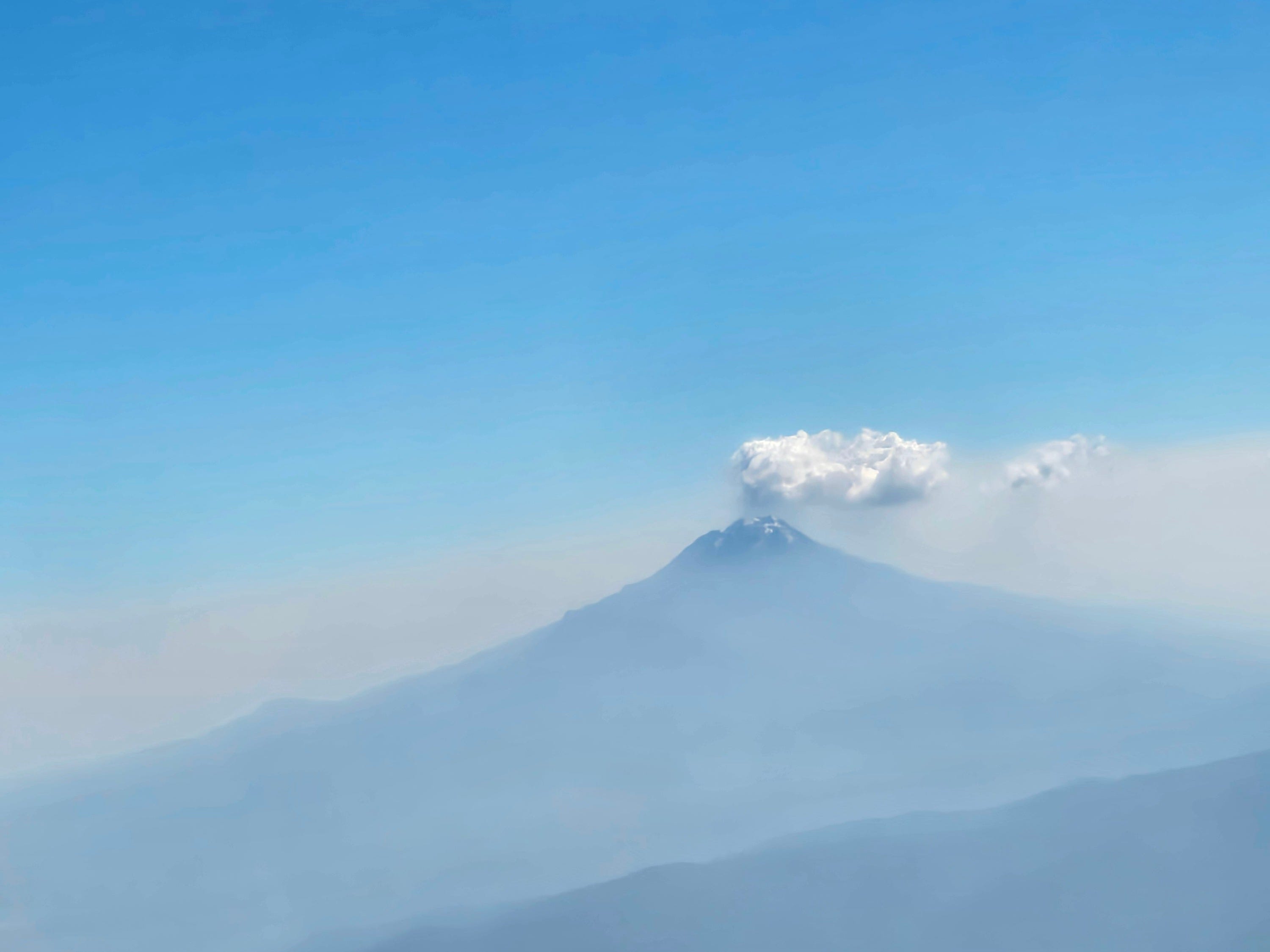
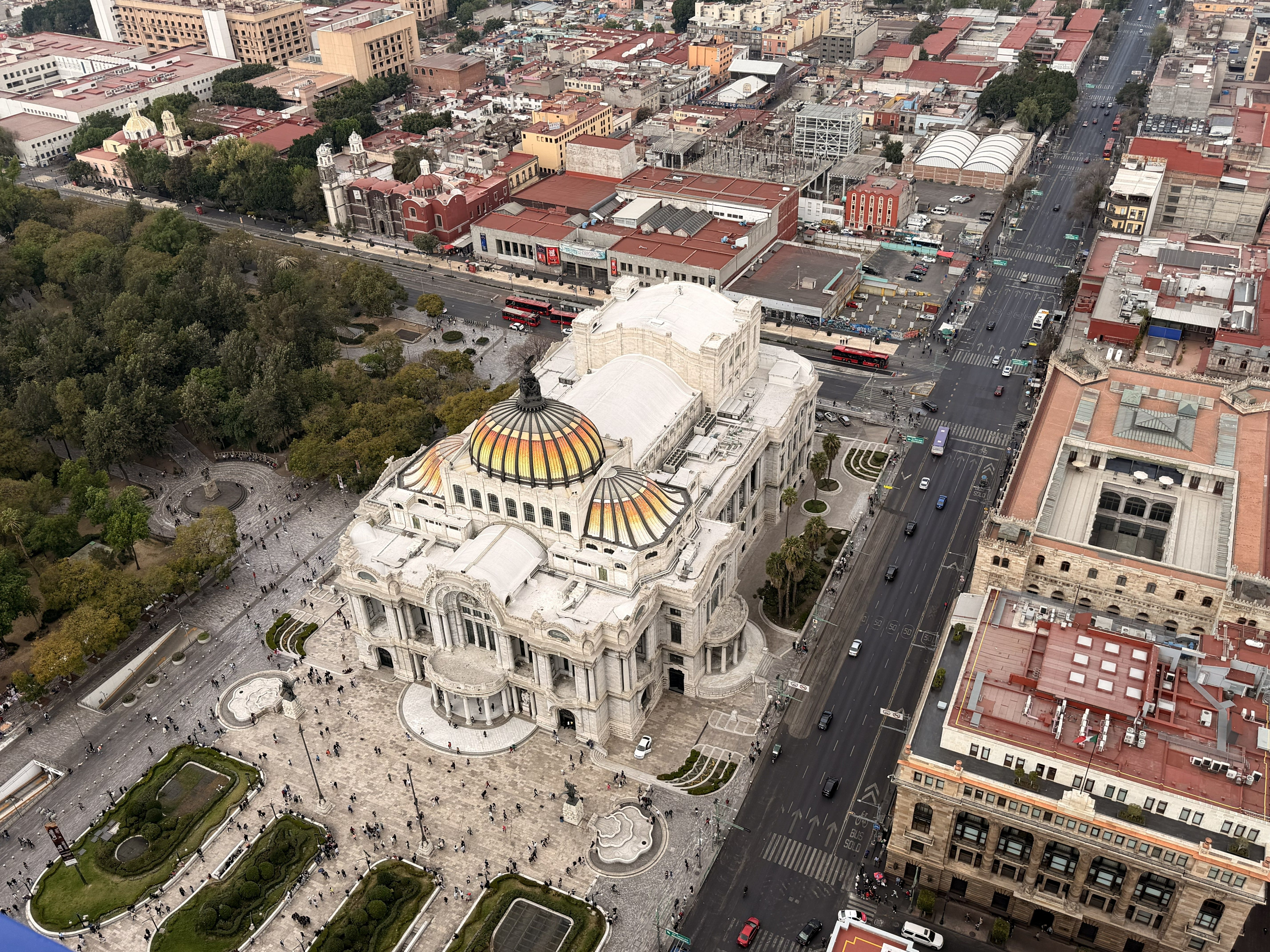
Mexico City is more than 7,300 feet (2,240 meters) high. That’s 2,000+ feet higher than Denver, the “Mile-High City.”
If you live at or near sea level, that’s a big change.
😮💨 How does Mexico City’s altitude affect you?
At higher altitudes, the atmosphere is thinner, which means the air you’re breathing doesn’t have as much oxygen as you’re used to.
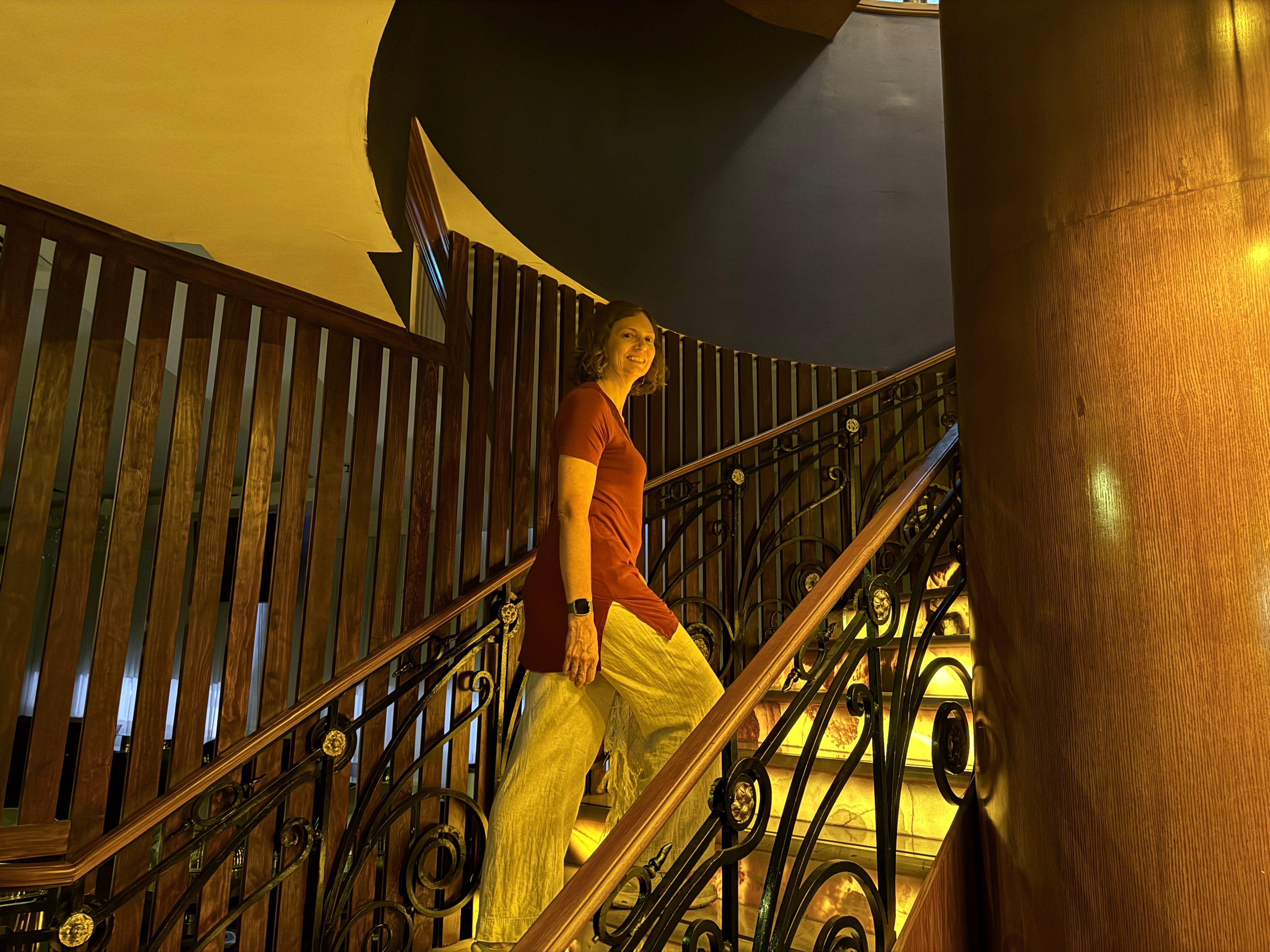
For us, that means things that we can normally do easily, like climb a flight of stairs, take more effort. We’ll have less energy than usual on the first couple of days. Our heart rates go up. I’ll find myself getting dizzy sometimes when I go from laying down or sitting to standing up.
You could have other symptoms, too:
Headache (the most common symptom)
Loss of appetite, nausea and vomiting
Trouble sleeping
It’s possible to have serious complications from altitude sickness, but that’s not common at Mexico City’s altitude. It’s high, but not that high.
For all our tips, recommendations, and itineraries, grab a copy of Eternal Spring: Our Guide to Mexico City. It’s optimized for your phone, with links to everything you need for your trip.
Paid subscribers get a copy for free!
👣 What can you do to cope with the altitude in Mexico City?
Being at a higher altitude than you’re used to shouldn’t affect your trip too much, but you can take a few steps to adjust more easily:
Pace yourself: If you can, plan to take it easy for your first couple of days and save the strenous activities for later in your trip.
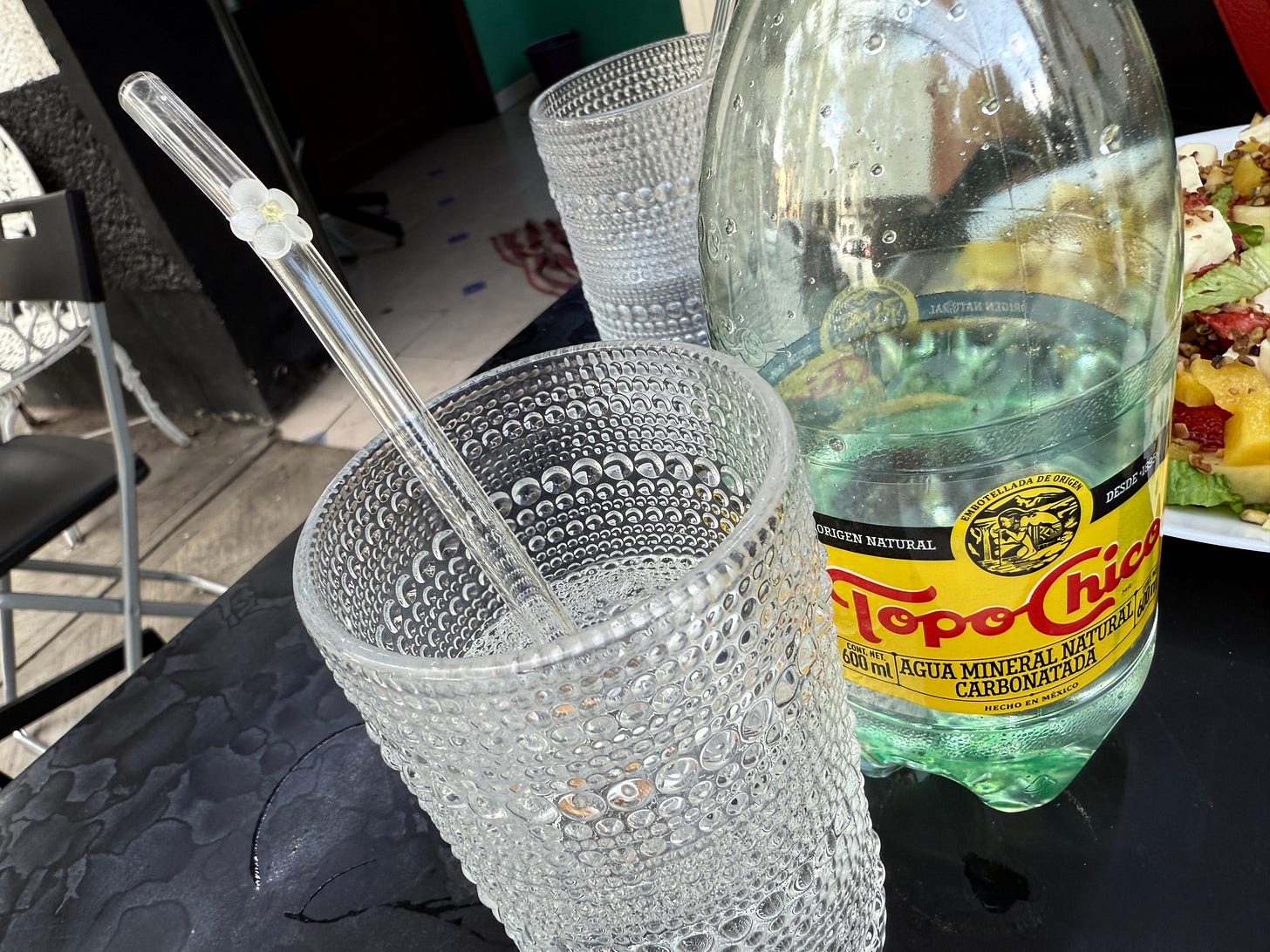
Drink plenty of water: Mexico City has low humidity a lot of the time, which means you can get dehydrated without noticing it. Dehydration has a lot of the same symptoms as altitude sickness.
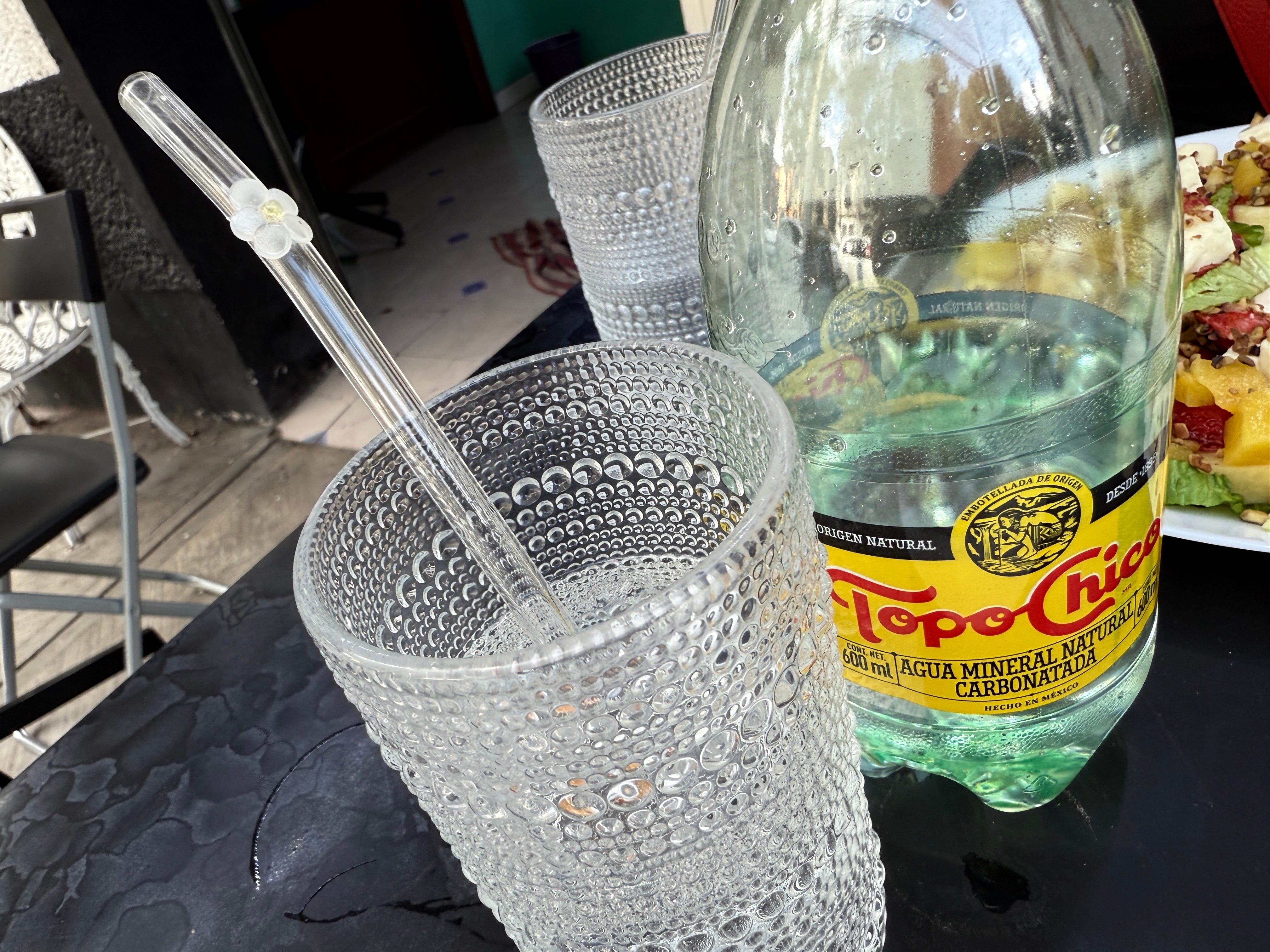
Go easy on the alcohol: I know, Mexico City is filled with great cocktail bars and wine bars. And truthfully, the idea that alcohol affects you more at higher altitudes might be a myth. But alcohol can dehydrate you. So, if you’re going to drink, at least make sure you compensate with plenty of water.

Get enough sleep: Being on vacation is probably already throwing off your sleep schedule, especially if you’re changing time zones, too. Try not to let the altitude make it worse.
Personally, I take 5 mg of melatonin the first few nights, but I’m not a doctor. If you’re having trouble sleeping, find what works for you.

If you feel like the altitude is affecting you, try to rest. You might want to take over-the-counter medications for headaches or nausea.
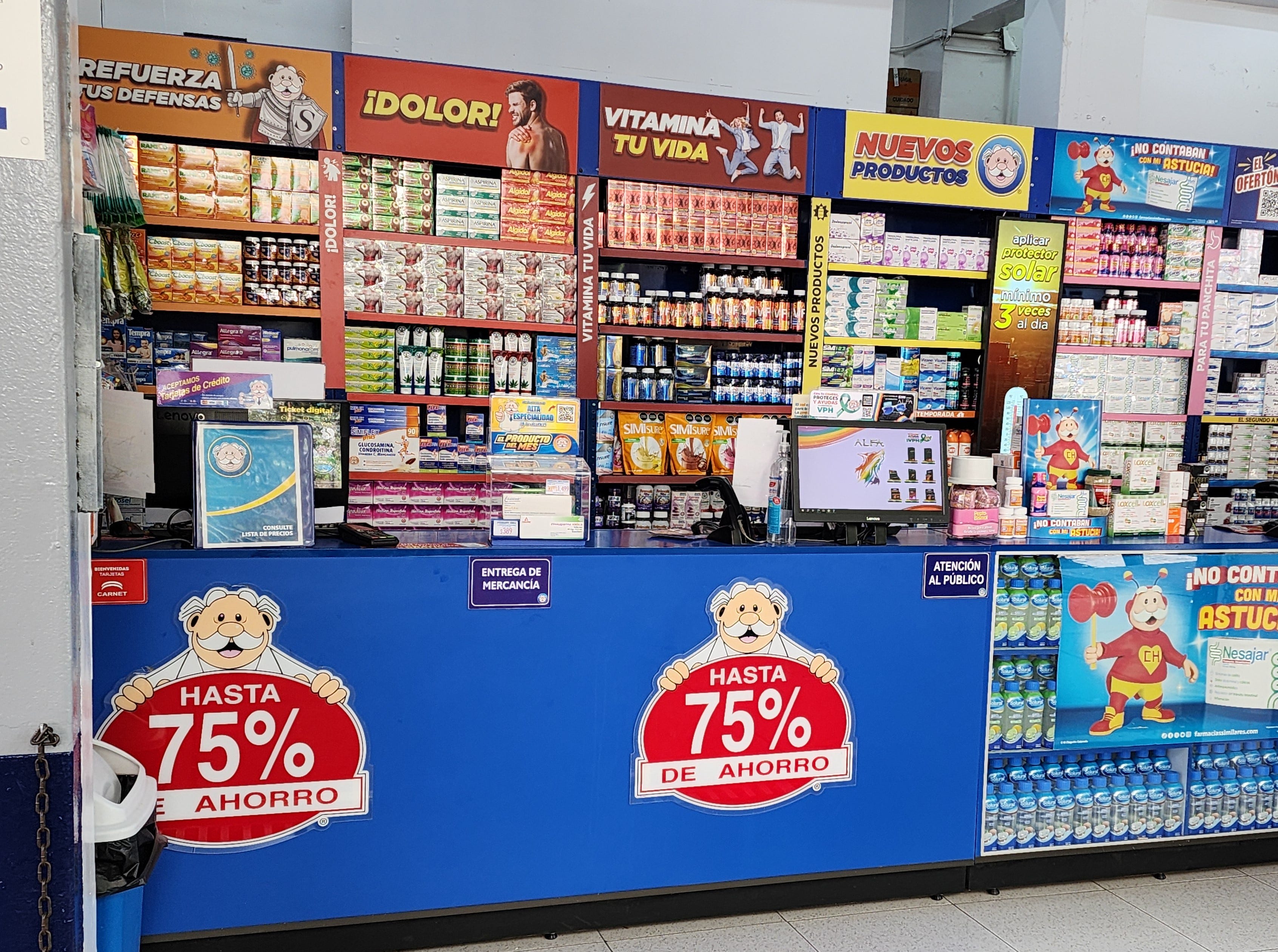
If you didn’t bring medicine with you, there are plenty of pharmacies in Mexico City, and you can get what you need by using a translate app or a photo on your phone if you don’t speak Spanish.
Enjoy your return to lower altitude
If you’ve adjusted to the altitude in Mexico City, and you return home, you get the benefits of the “extra” oxygen.
I’ll go for a run in the first few days back in Pennsylvania and my lungs feel like they could go forever. My legs? Not so much!
These articles can also help you prepare for a trip to Mexico City:


Your lung capacity on the return to sea level is why athletes come to CDMX to train before the Olympics!
I will be trying melatonin in the future on my returns here, the jet lag has me up at 4am every day to begin with and the sleep deprivation plus altitude definitely takes a toll 💡
Fun fact. At the 1968 Olympics, which were held in Mexico City, Bob Beamon broke the long jump world record by a significant amount and it stood for 23 years. Many attributed to the lower gravity at the high altitude.